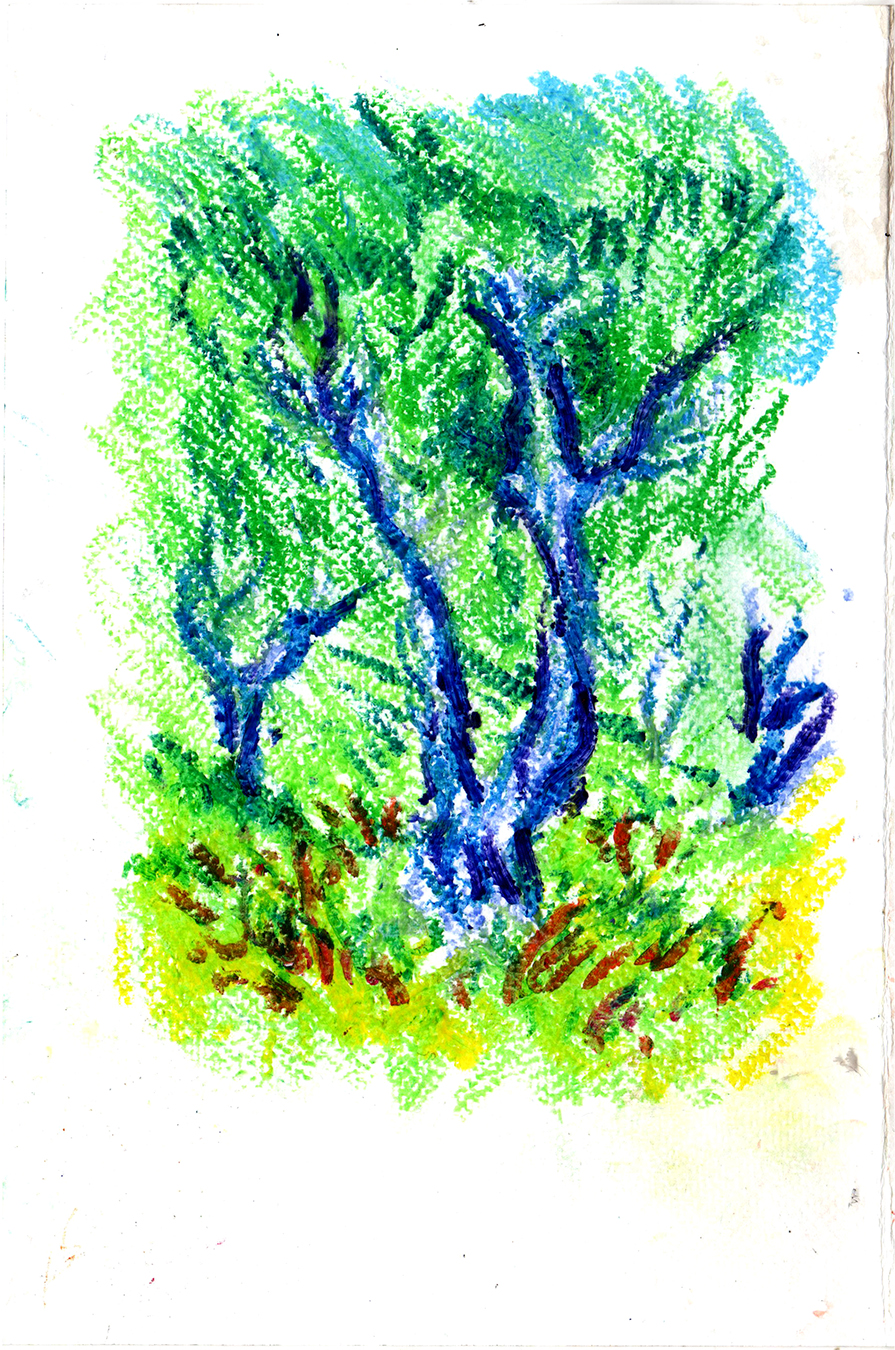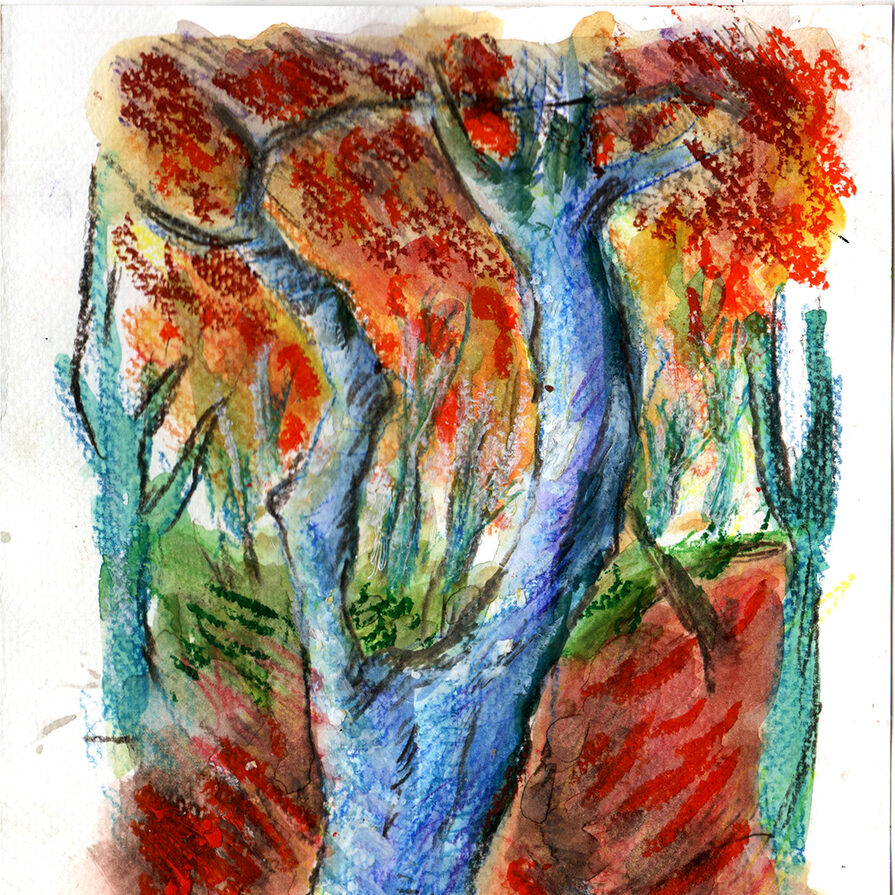
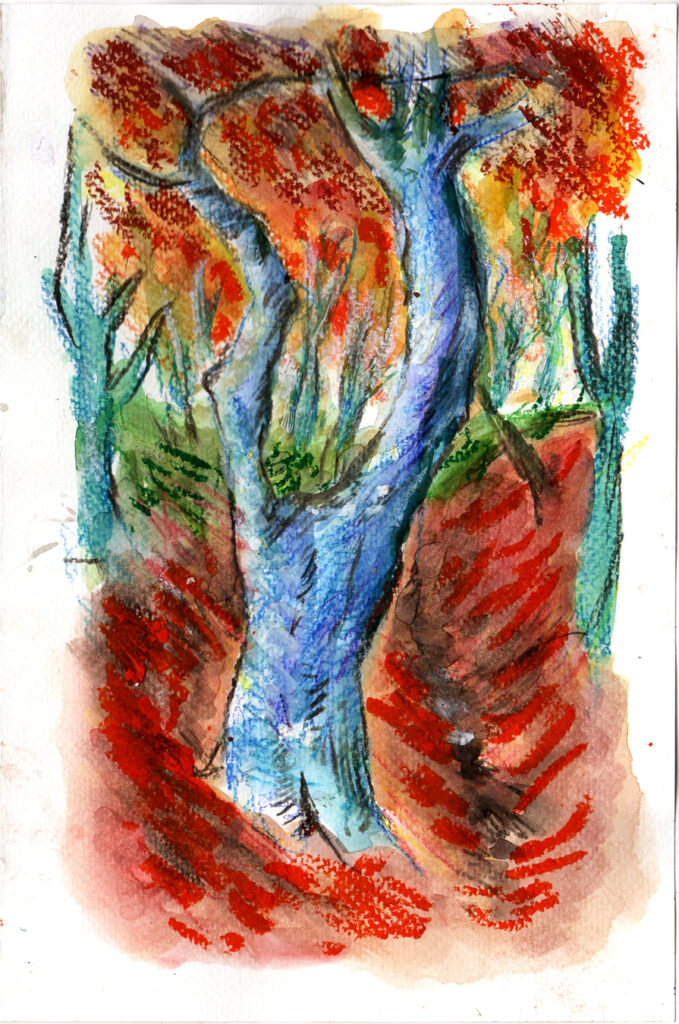
Study for Albert Edelfelt’s painting, Pyökkimetsää, 1901, Finnish National Gallery, Helsinki
Watercolour and oil pastels on paper
16 x 24 cm
2026
ART/S for Meeting, Communicating, Sharing
In both the analysis of Albert Edelfelt’s work and that of Vincent van Gogh, a style of representation emerges that is linked to the technique employed.
An Analysis of the Works of Albert Edelfelt and Vincent van Gogh.
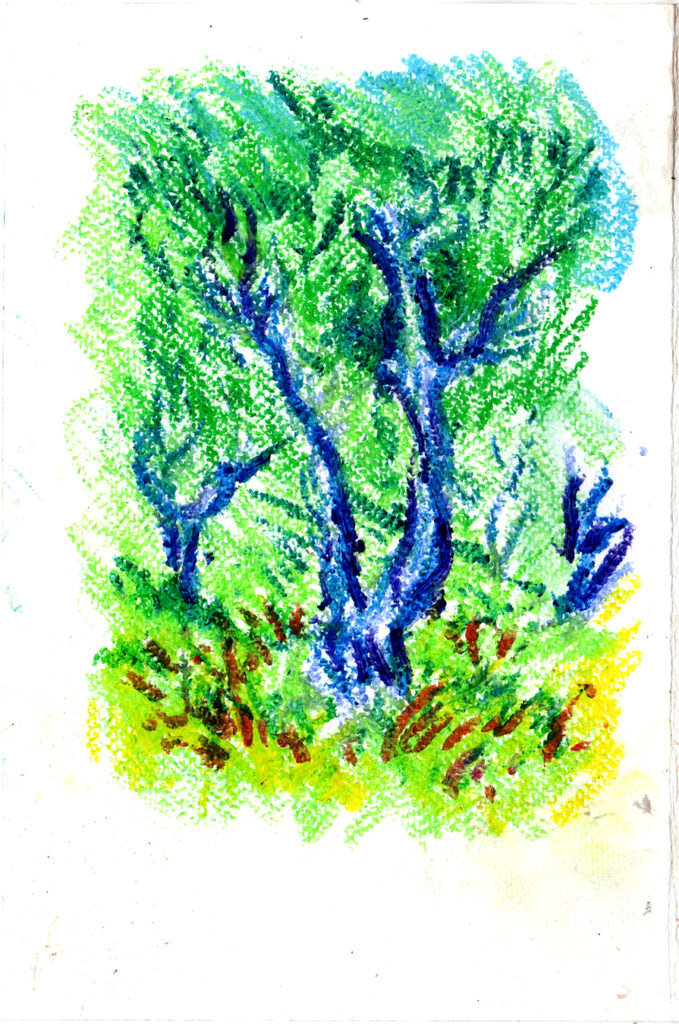
I created two drawings using watercolours and oil pastels during one of the courses I teach in Paris.
In both the analysis of Albert Edelfelt’s work and that of Vincent van Gogh, a style of representation emerges that is linked to the technique employed.
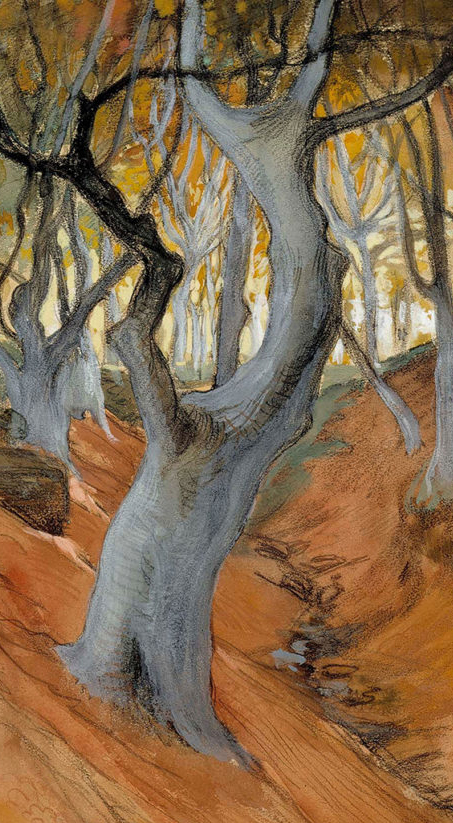
In the case of A. Edelfelt, the artist began with a graphite drawing, then moved on to watercolour – a transparent medium – before applying opaque touches. This is no easy technique, as one must take care not to apply too much colour to the lighter areas, so as not to obscure them.
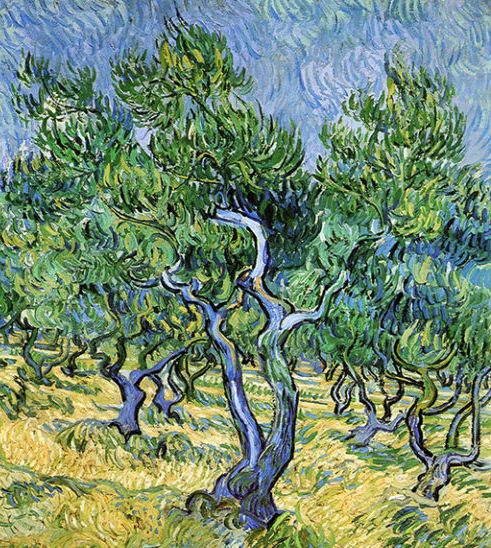
In the case of Van Gogh, who used opaque oil paints, and in my own case, where I use opaque oil pastels we can see how the artist can add light colours by layering them over the tree-like mass created by darker colours.
The density of the paint is, in my view, the basis of the uniqueness and modernity of Vincent Van Gogh’s work.
2018
Oil on canvas
30 × 40 cm
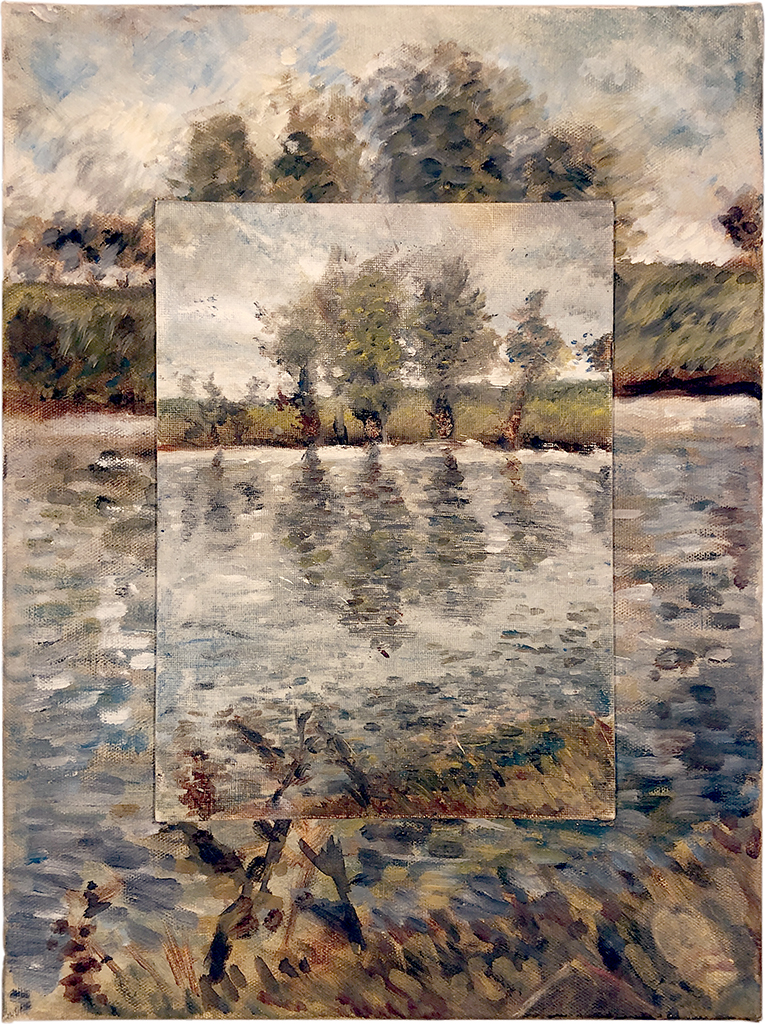
DOUBLE LANDSCAPE
2014
Oil o canvas
30 × 40 cm
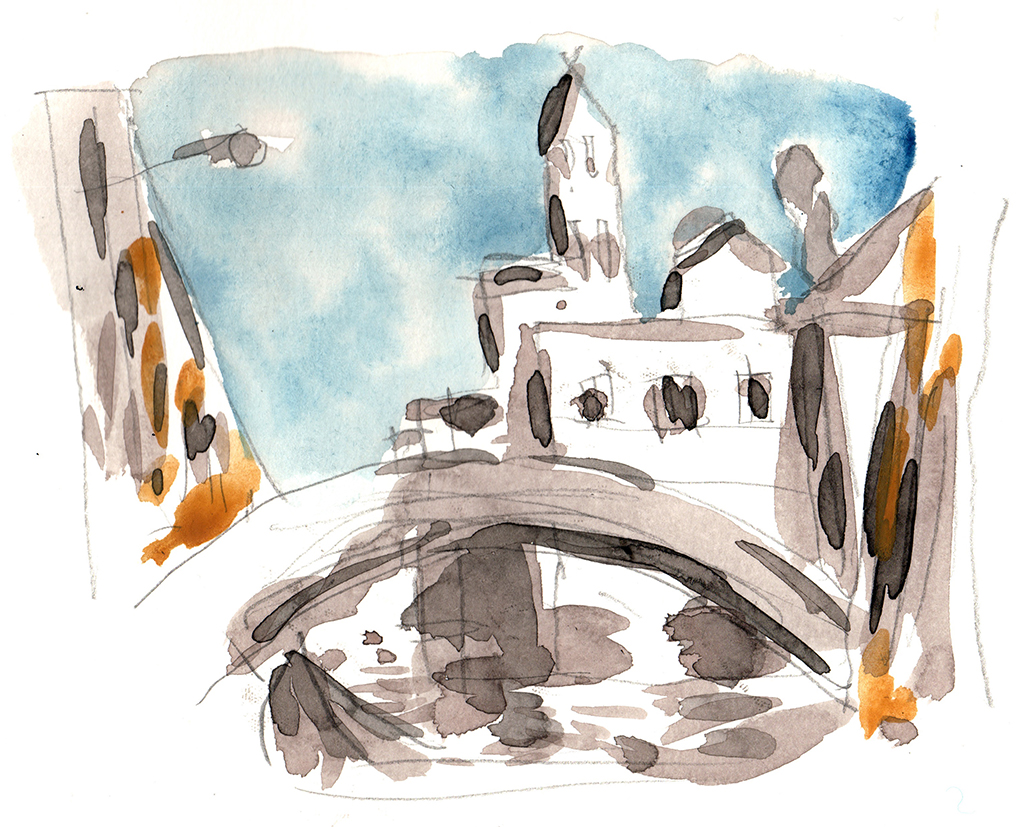
VENEZIA – From JOHN RUSKIN
pencil and watercolor
13 x 10,5 cm
2026
A watercolour painted quickly in Venice, in front of the Ponte dei Pugni, from a sketch by John Ruskin.
Ruskin, as can be clearly seen, was also on a gondola and therefore his viewpoint was very low, much lower than the view usually enjoyed by those walking on the fondamenta.
I often use this drawing in my drawn art history lessons for this reason. The point of view is important. Observers in the past were different from us, and if it is true that space is produced by the observer, Venice is a place that allows us to reflect on this concept.
Like Ruskin, whom we imagine sitting in a gondola with a sketchbook and the minimum tools needed to paint his watercolours, or using only a pencil in three colours: a bluish grey, blue for the sky (created using the wet-on-wet technique) and a few touches of orange-ochre.


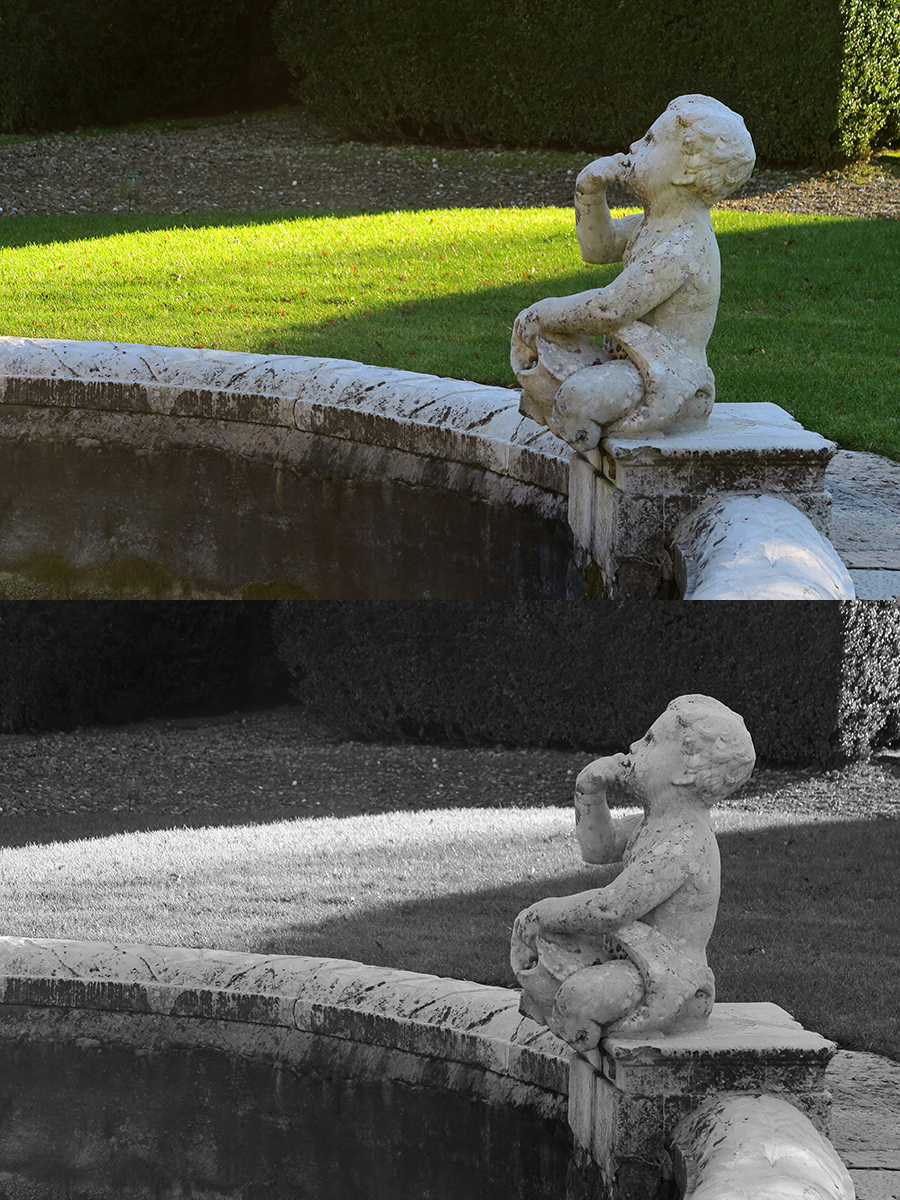
VALSANZIBIO MONUMENTAL GARDEN
Photographs
Digital retouching
2025
For this new year, I intend to work on image composition, not only in terms of geometry and balance, but also by exploring light and colour. That is why, on a beautiful day in December, I was able to visit this beautiful garden, which is over 350 years old, at my leisure and take some pictures.
It is a place designed as an allegorical walk to convey a positive message to visitors, of a life where difficulties are faced and where there is always a solution, a life where it is good to stop and meditate from time to time, a life where time is precious and should be lived intensely, with joy.
It was built between 1665 and 1696 by one of the richest and most important Venetian families, the Barbarigo family, as a vow to defeat the plague of 1630/31.
In this garden there is a boxwood maze over 400 years old, probably the oldest of its kind in the world, and there are boxwood walls up to 5 metres high, unique in the world. There are trees ranging from 300 to 900 years old, centuries-old specimens from four continents (Asia, America, Africa and Europe).
The intention of the owners, the Pizzoni Ardemani family, is to protect and preserve this historical, artistic and botanical heritage.
Visitors and companies who come and will come to Valsanzibio provide concrete and valuable help in maintaining this World Heritage Site.
(Text: partly from https://www.valsanzibiogiardino.com)
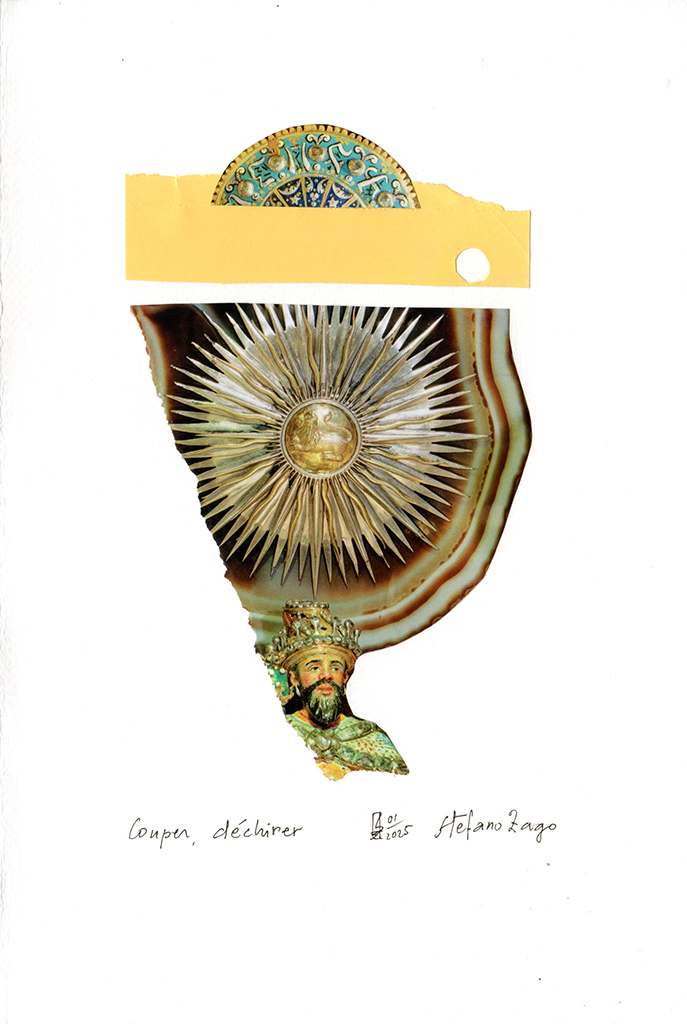
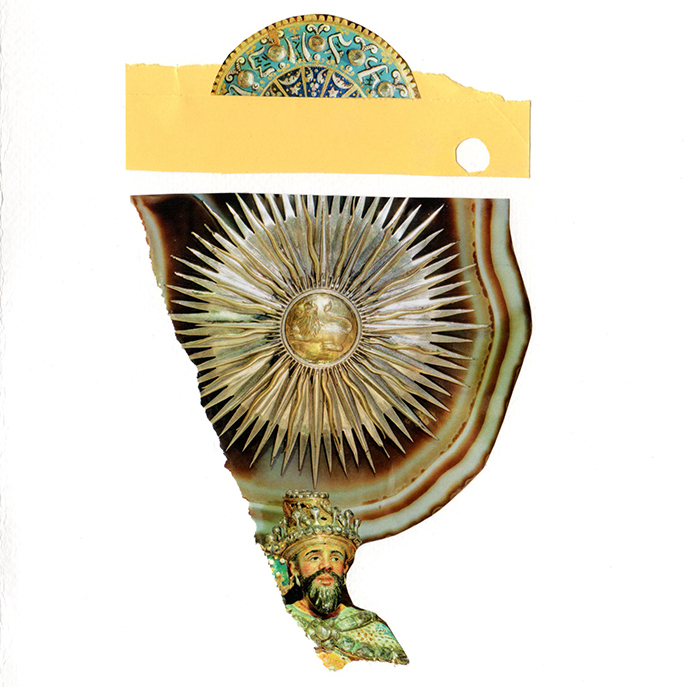
Collage
20 x 29,7 cm
2025
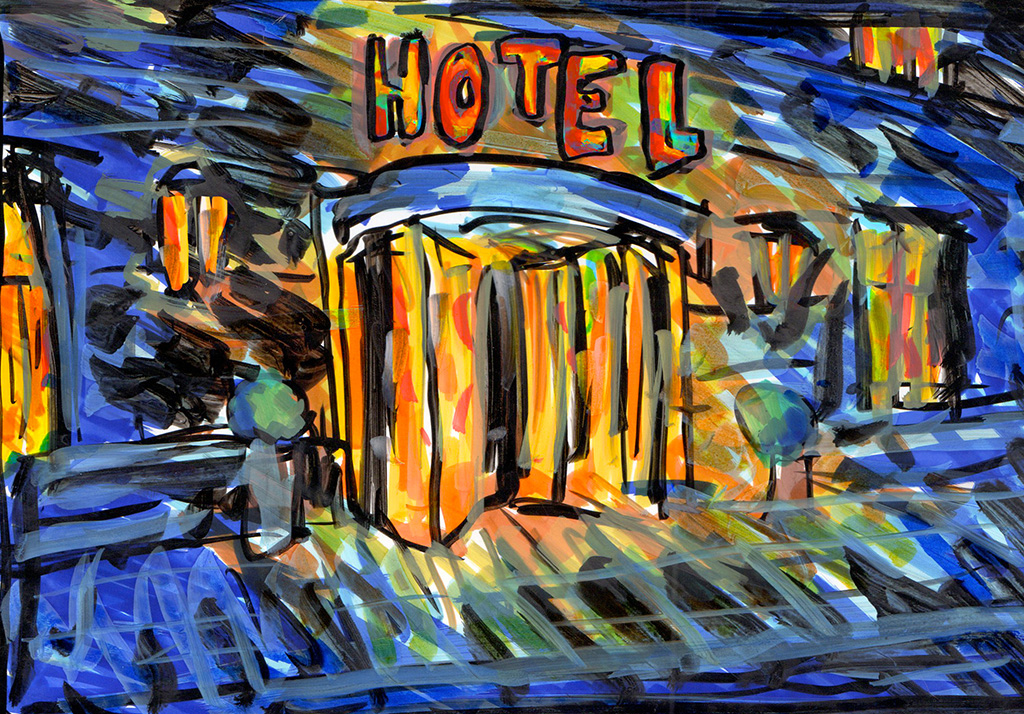
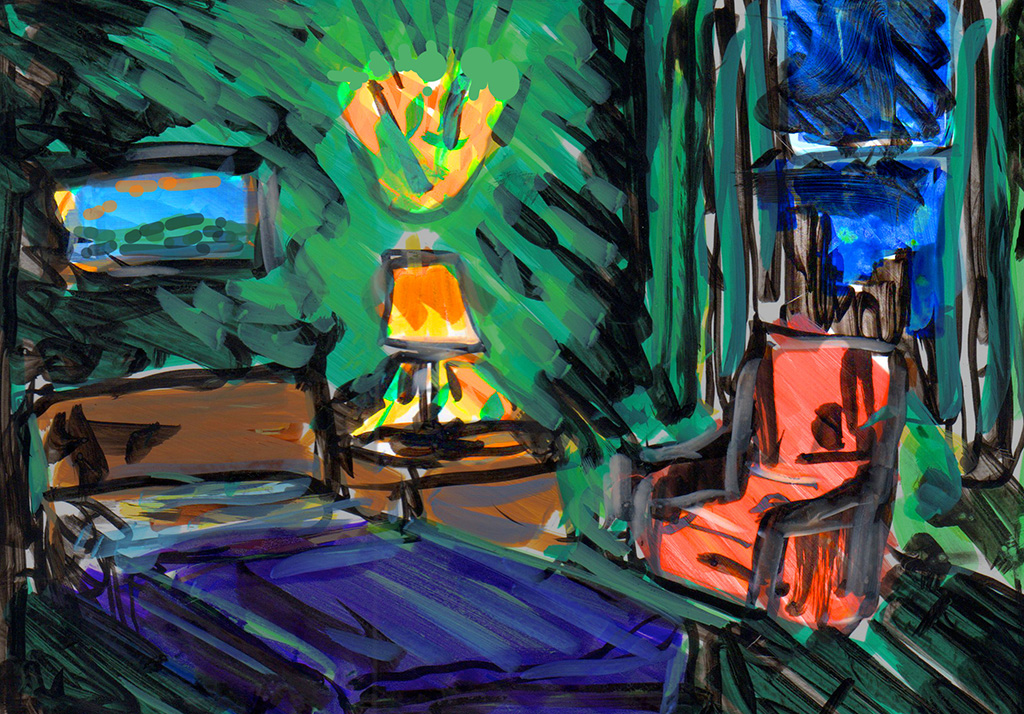
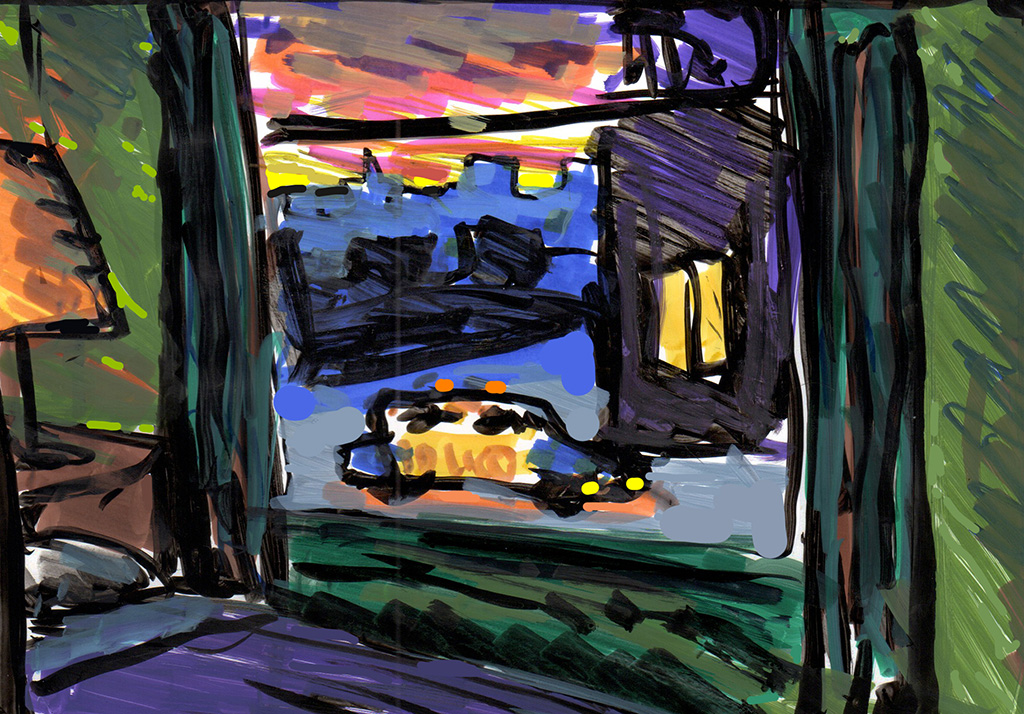
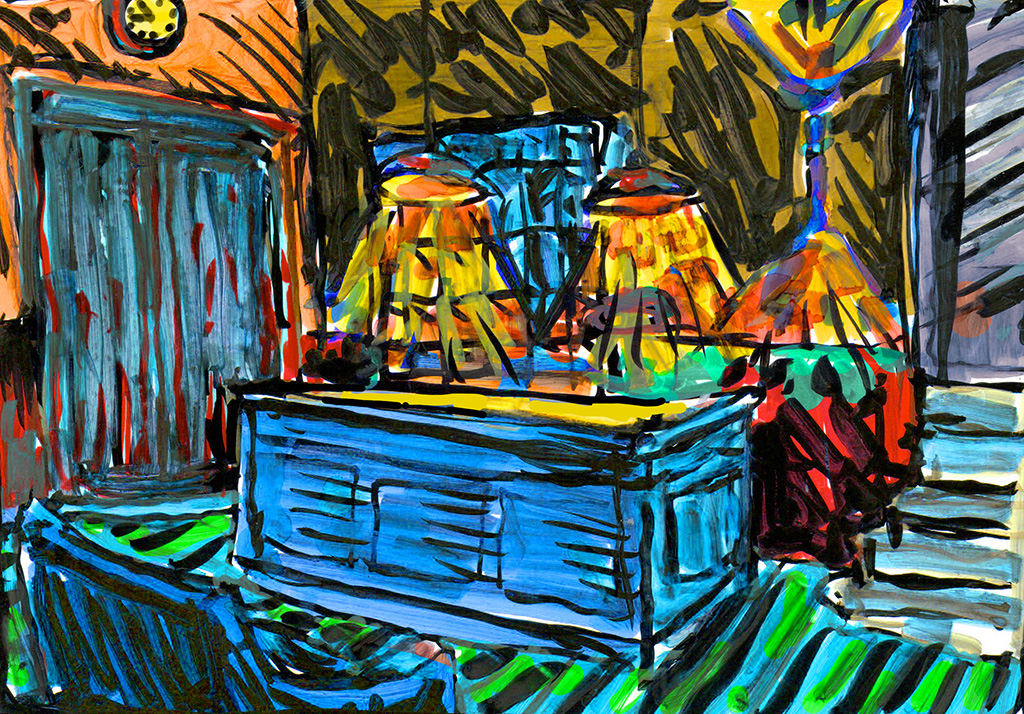
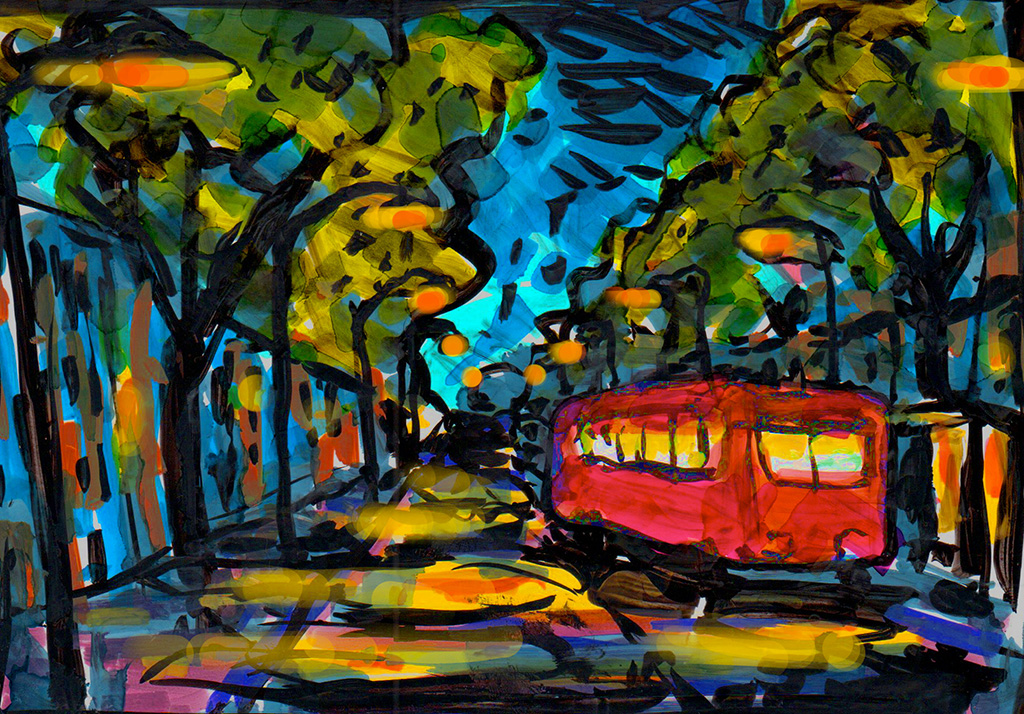
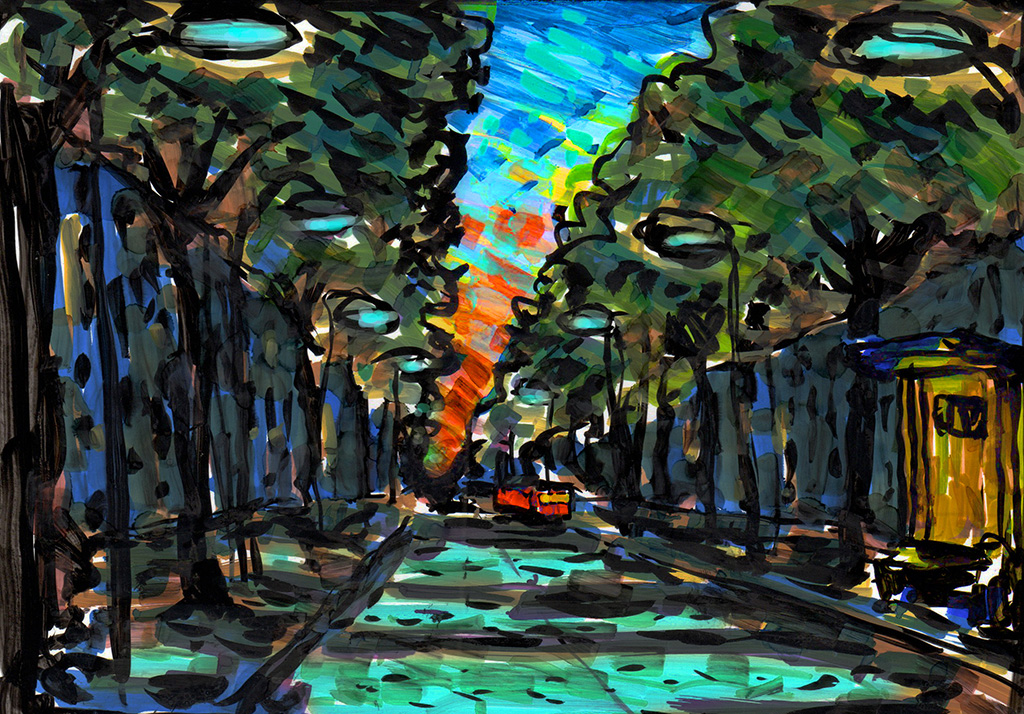
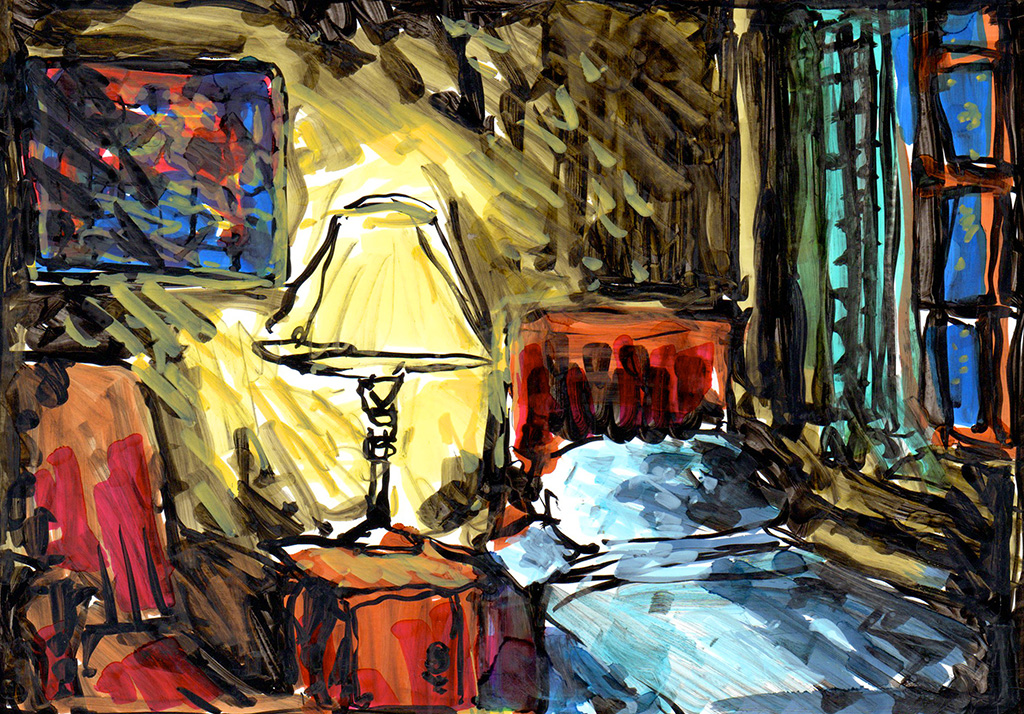
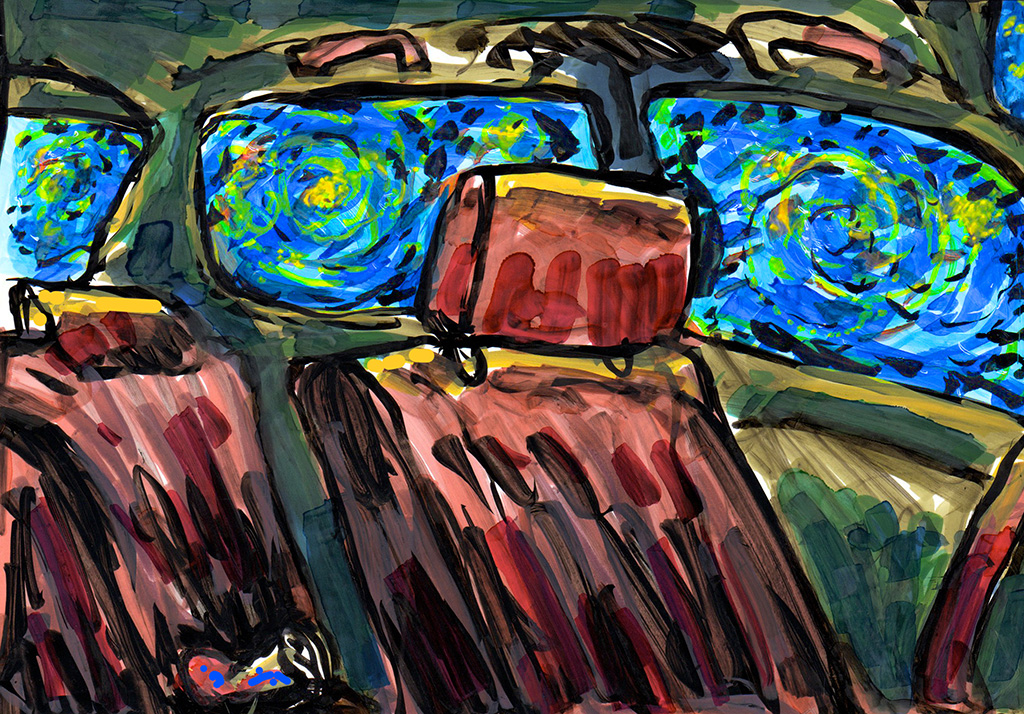
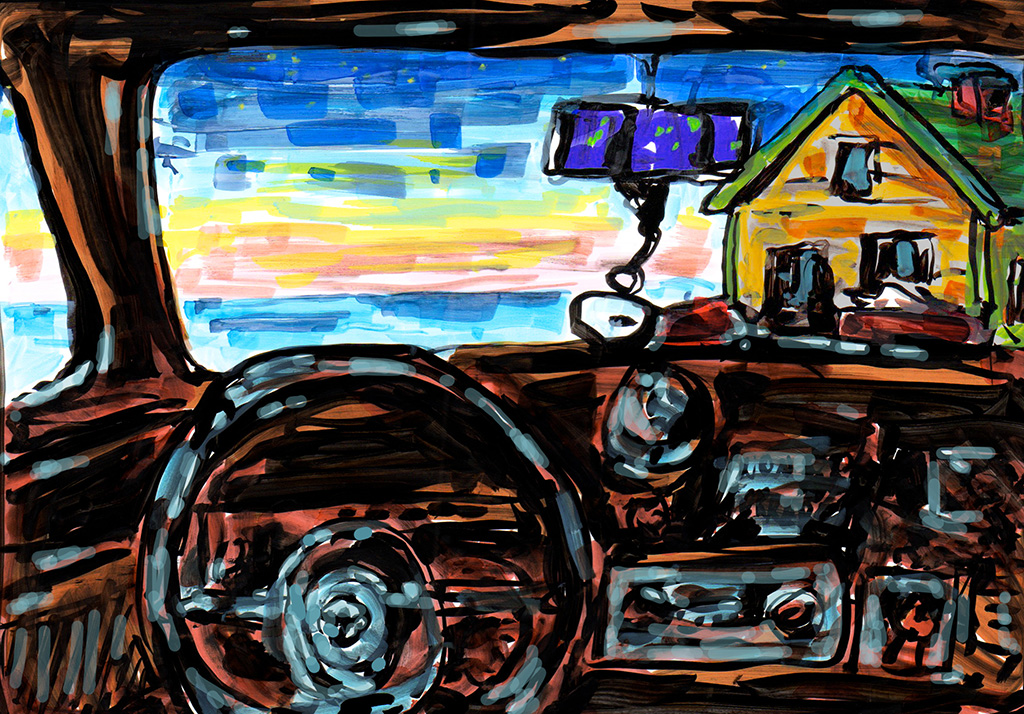
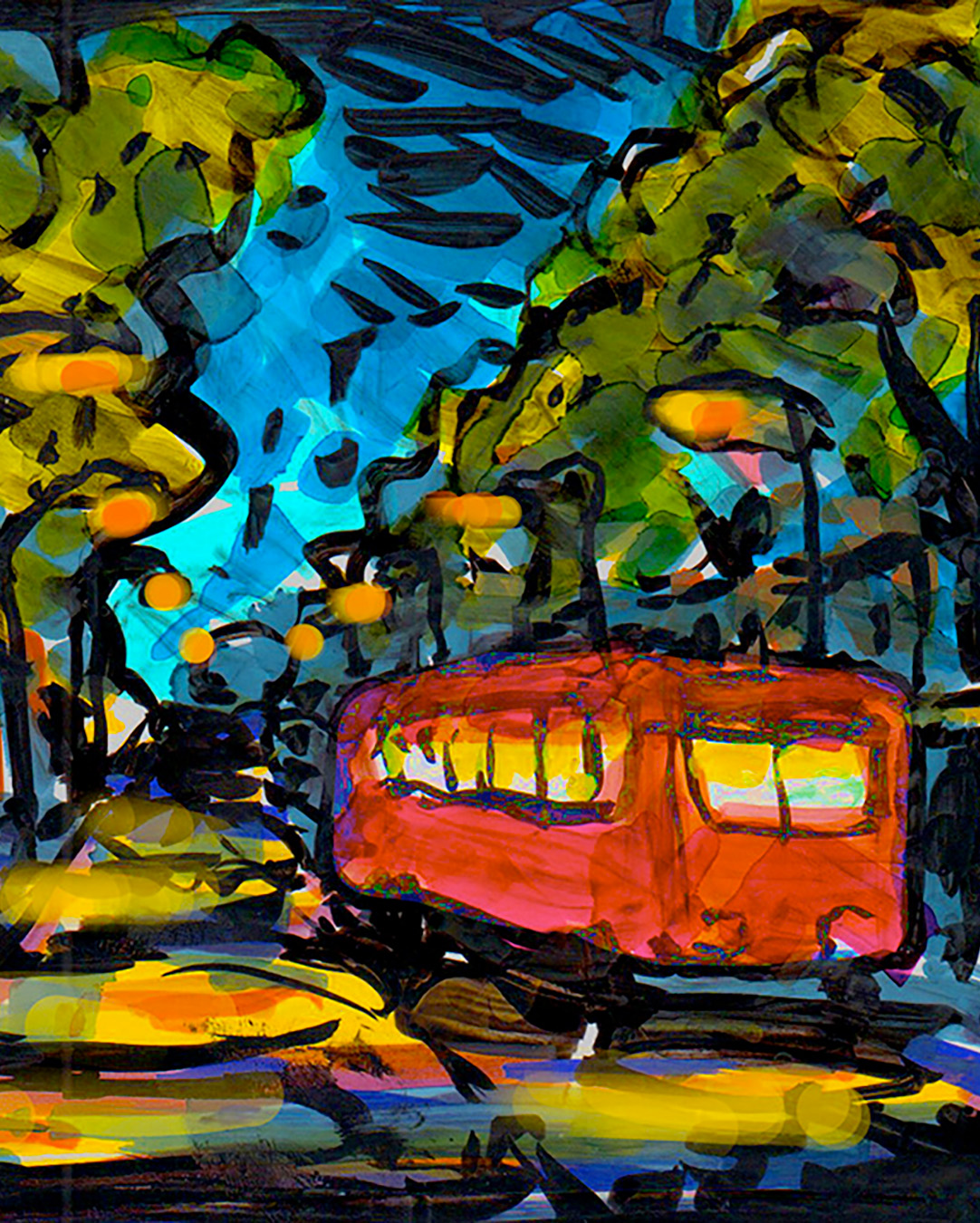
NOCTURNES
2025
Digigraphs taken from 9 Original Drawings (Markers and Indian ink) on paper
14 x 20 cm
Nine studies for the creation of backdrops for a theatrical reading. My contribution to the animation of a small community library brought to life thanks to the collective efforts of the inhabitants of a neighbourhood in a city in northern Italy. The project gave me the opportunity to study the chromatic effects of night-time lighting in interiors and exteriors, a topic I am teaching in my courses on drawing, painting and art history.
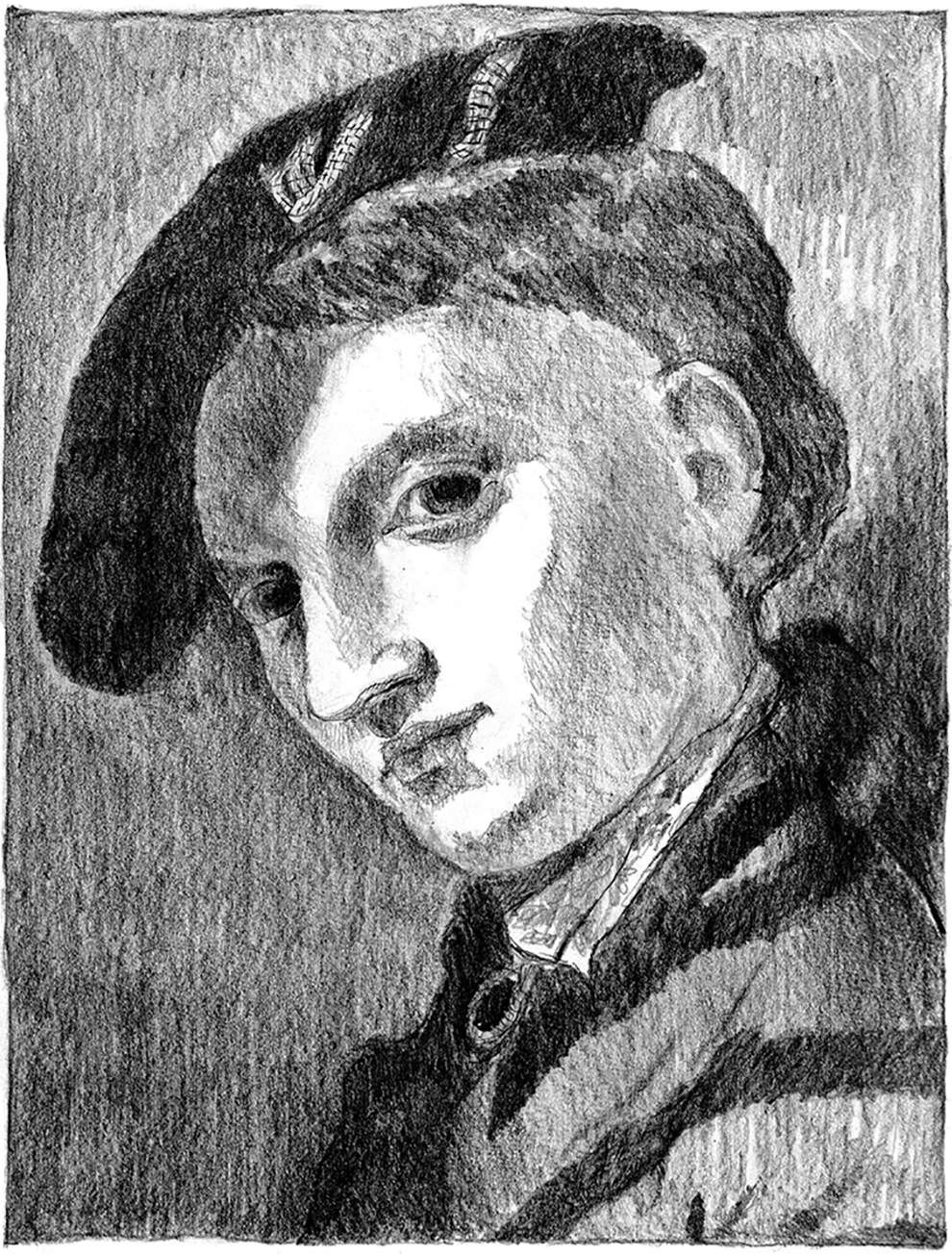
STUDYING LORENZO LOTTO
Techniques: DRAWING (Pencil)
Support: Paper
Dimensions: 22 x 29 cm
2025
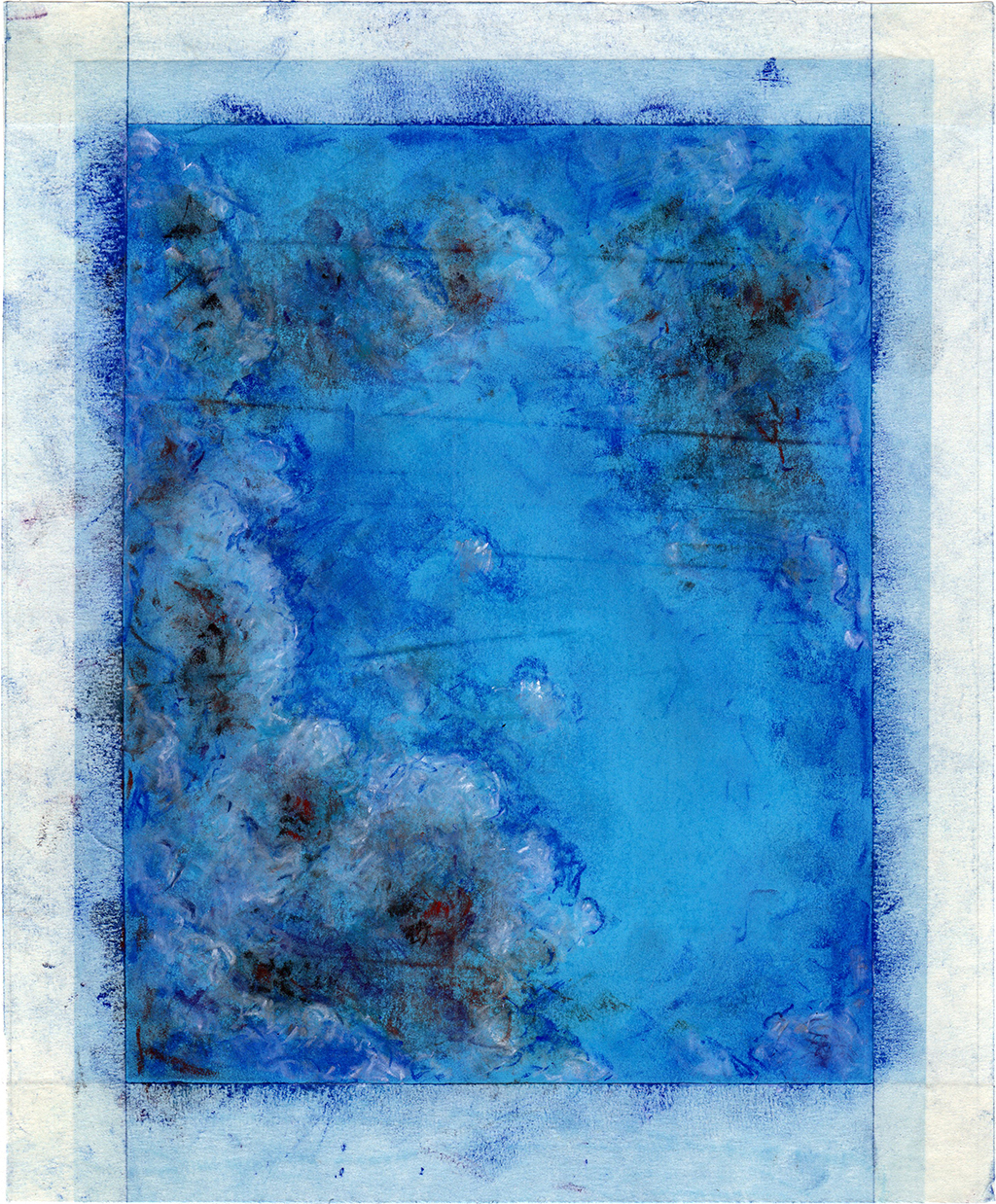
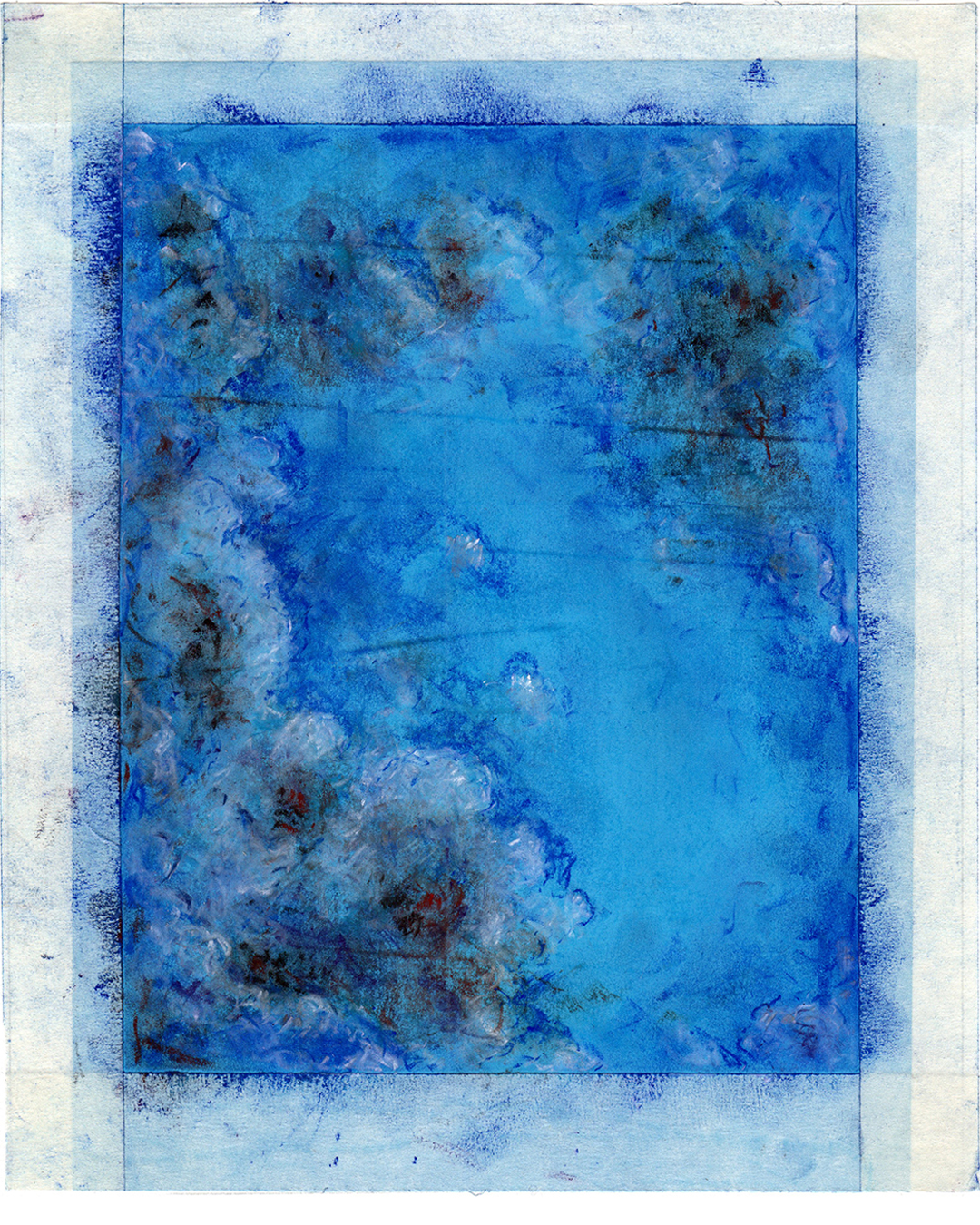
DIVE IN SARDINIA
2025
Drawing (Pastel) on paper
24,5 x 29,7 cm
mounted on cardboard – 29,7 x 40 cm
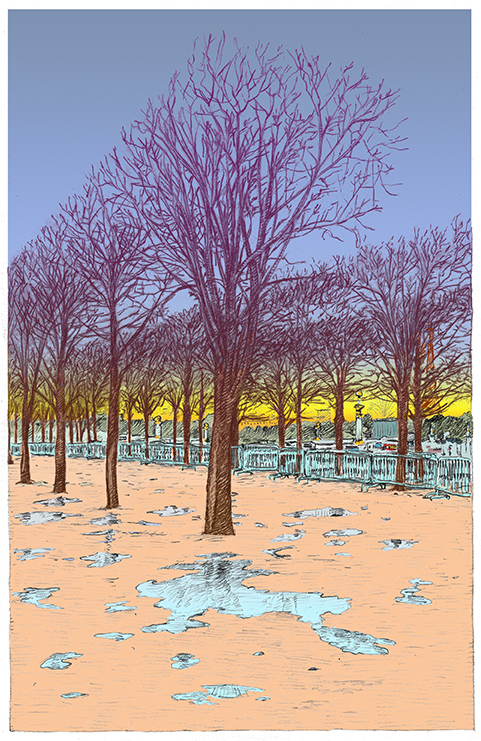
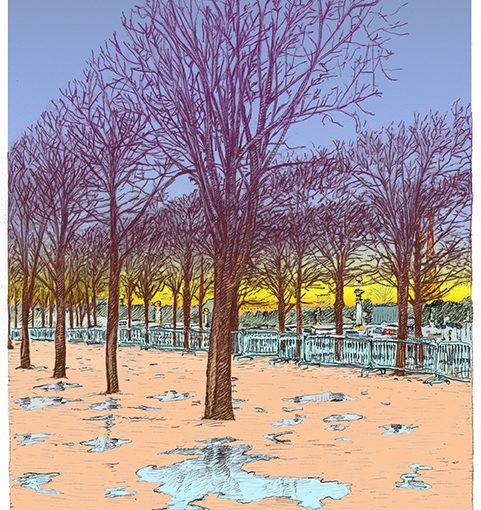
JARDINS DES TUILERIES
Digitally balanced and coloured pencil drawing
21 x 29,7 cm
2019
The Place de la Concorde seen from the Jeu de Paume Museum – Tuileries Gardens.
Digitally balanced and coloured pencil drawing.
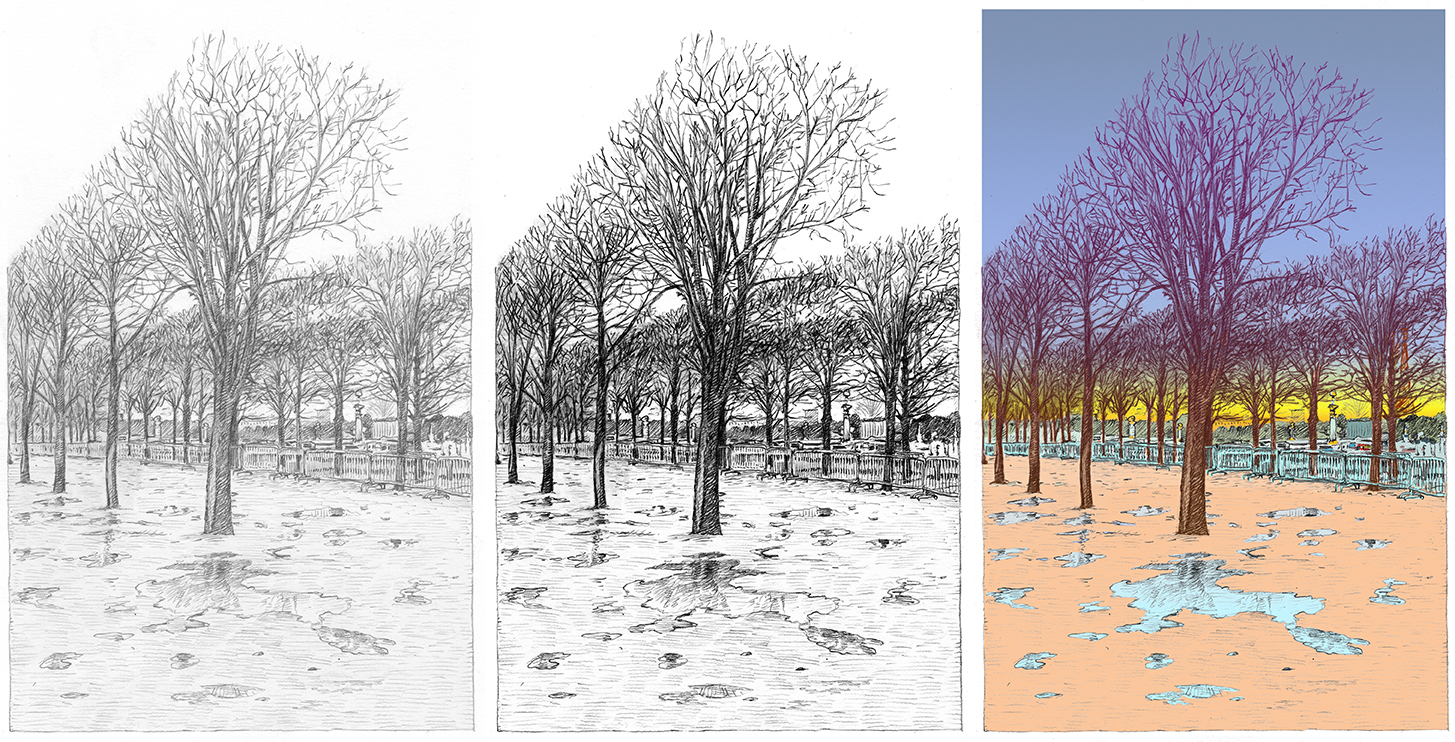
Digital reproduction of the original version, processed b/w version and colour version