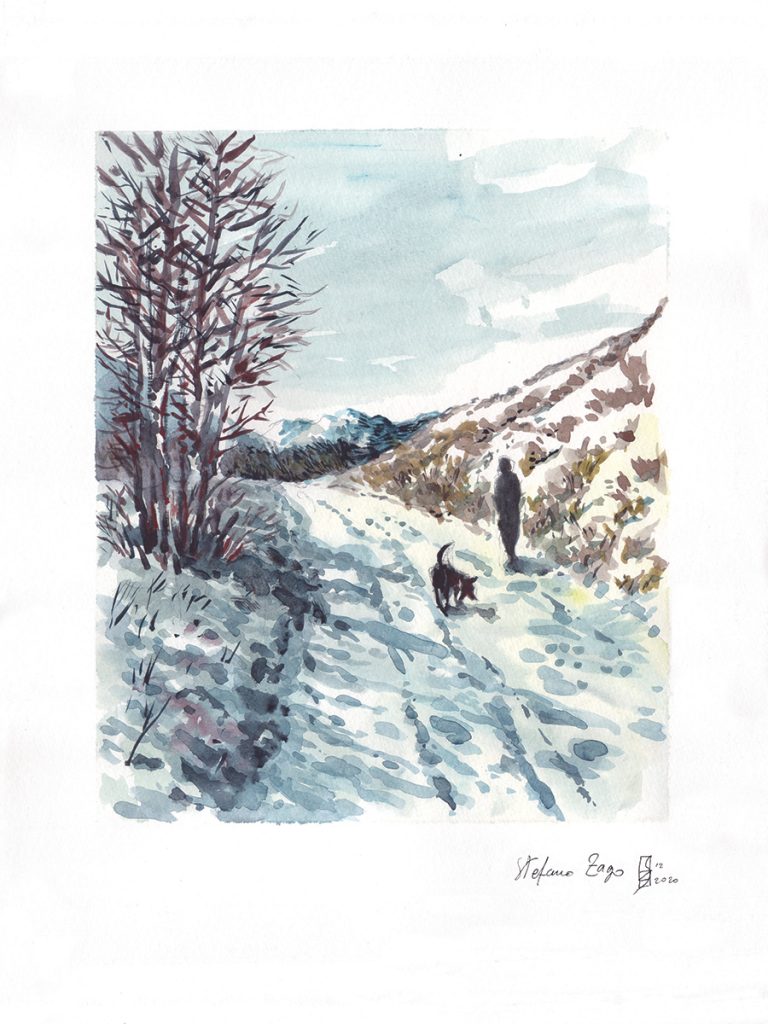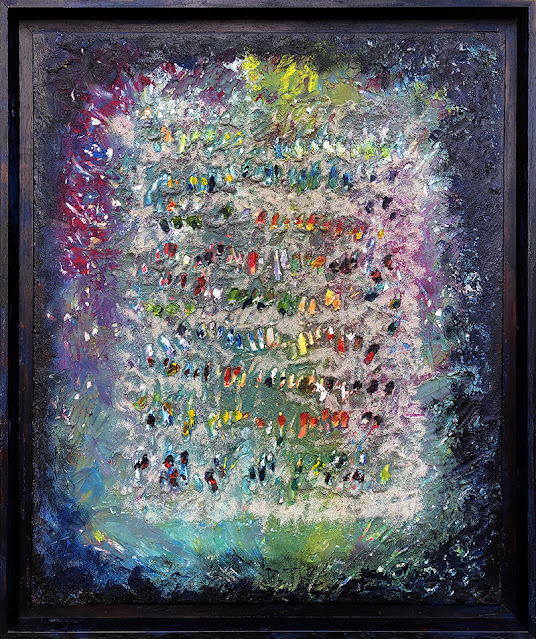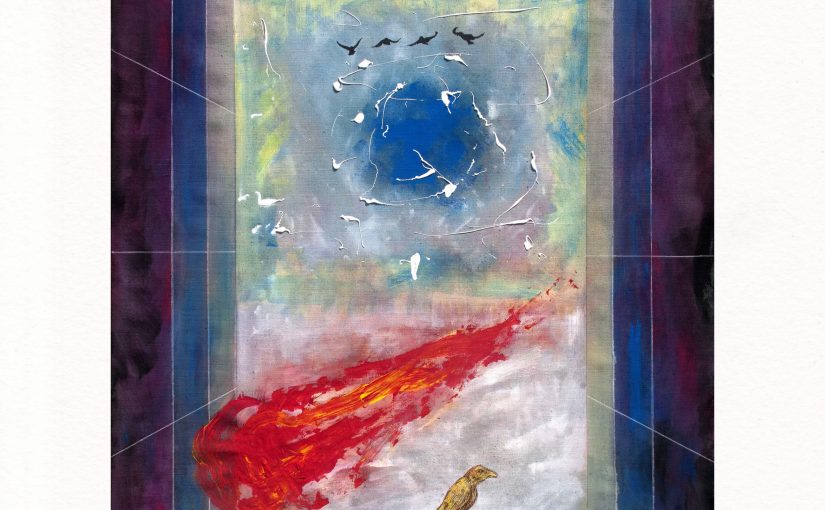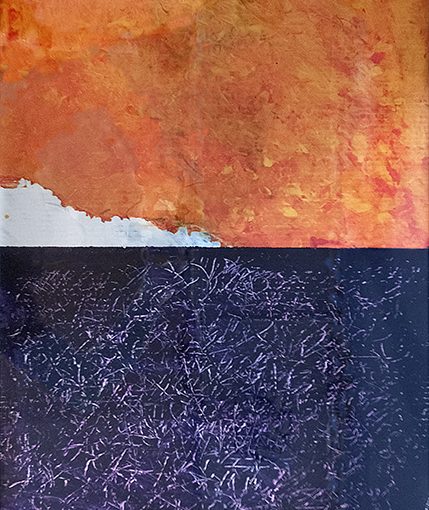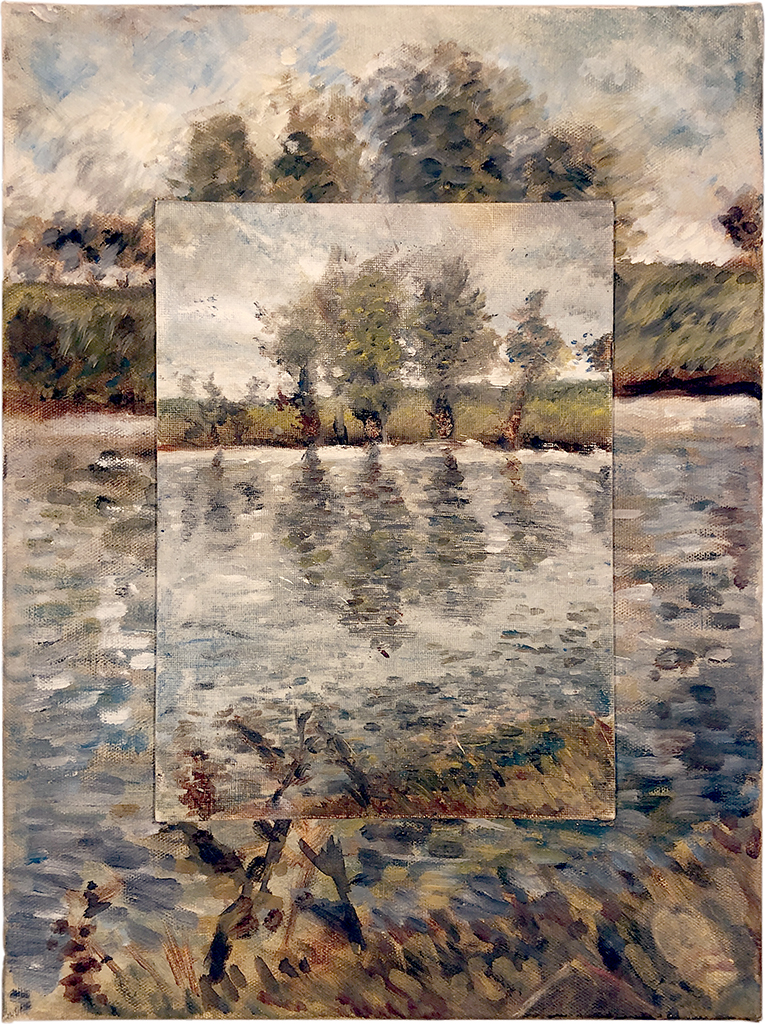
DOUBLE LANDSCAPE
2014
Oil o canvas
30 × 40 cm
ART/S for Meeting, Communicating, Sharing
2018
Oil on canvas
30 × 40 cm
DOUBLE LANDSCAPE
2014
Oil o canvas
30 × 40 cm
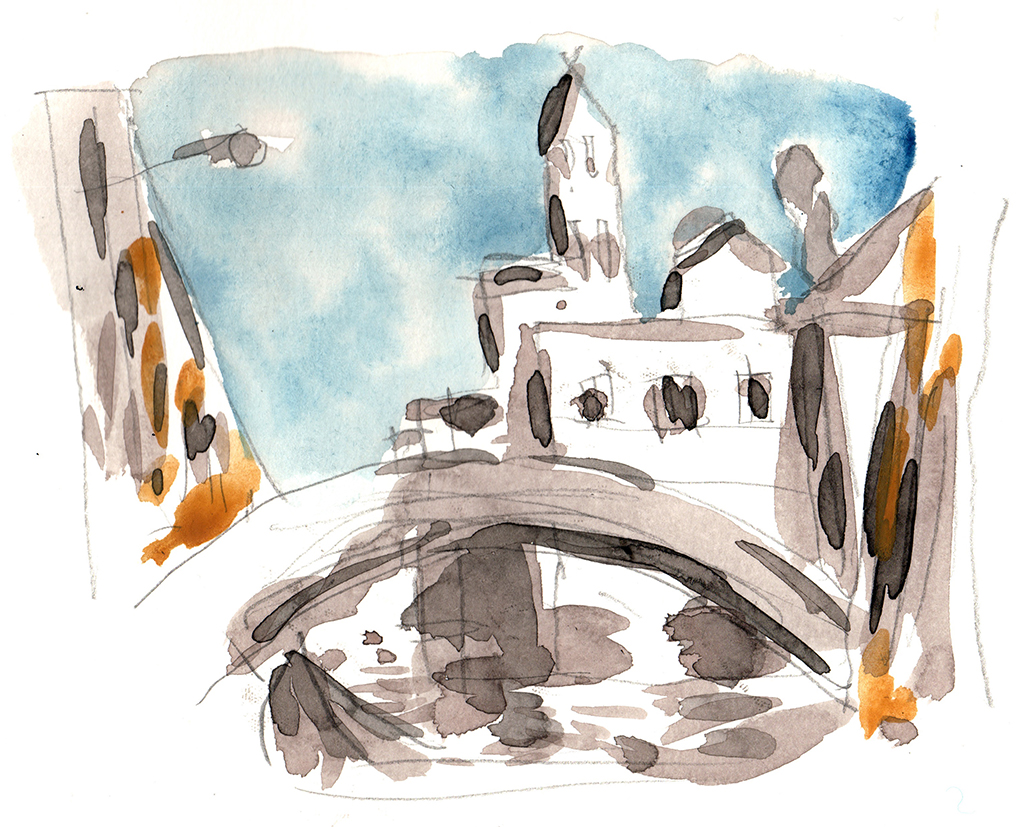
VENEZIA – From JOHN RUSKIN
pencil and watercolor
13 x 10,5 cm
2026
A watercolour painted quickly in Venice, in front of the Ponte dei Pugni, from a sketch by John Ruskin.
Ruskin, as can be clearly seen, was also on a gondola and therefore his viewpoint was very low, much lower than the view usually enjoyed by those walking on the fondamenta.
I often use this drawing in my drawn art history lessons for this reason. The point of view is important. Observers in the past were different from us, and if it is true that space is produced by the observer, Venice is a place that allows us to reflect on this concept.
Like Ruskin, whom we imagine sitting in a gondola with a sketchbook and the minimum tools needed to paint his watercolours, or using only a pencil in three colours: a bluish grey, blue for the sky (created using the wet-on-wet technique) and a few touches of orange-ochre.
CROSSED VIEWS
(study after Henri Cartier-Bresson)
Gouache
30 x 40 cm
2015
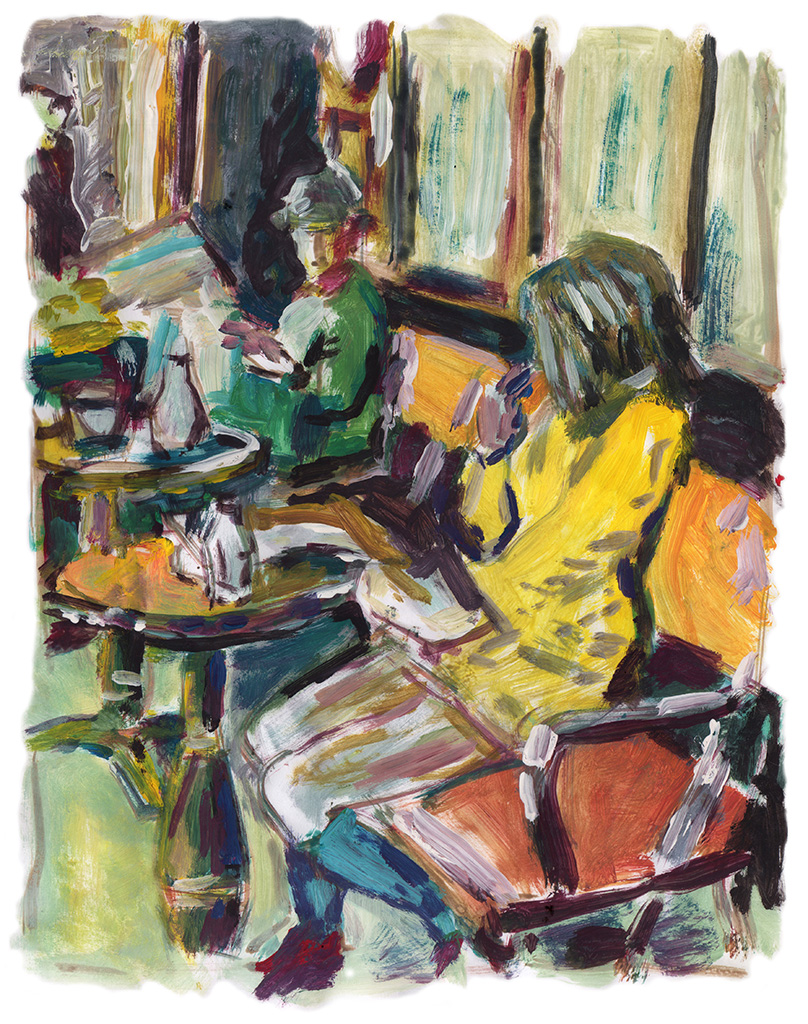
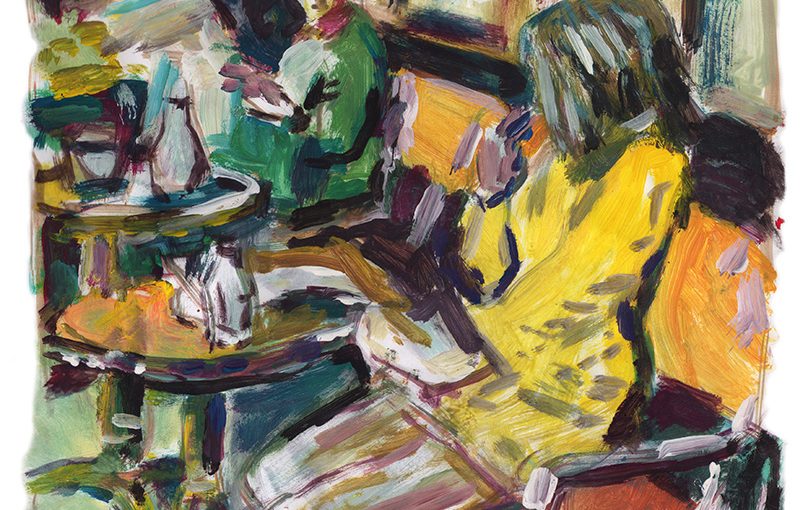
CROSSED VIEWS
(study after Henri Cartier-Bresson)
Gouache
30 x 40 cm
2015
It is not only the eyes of the two women that cross paths on Henri Cartier-Bresson’s photograph, but it is the artist’s own gaze that passes over the famous photograph in a journey that is at once manual, perceptive and analytical.
By studying in a pictorial key the composition of the image, the depth given by the perspective played out diagonally, and the relationships of chiaroscuro, starting from a black and white photograph, rebalanced by colour, Stefano Zago reflects on the dynamics of observation by confronting the perceptive mechanisms of his predecessor. Taking into account the physiological time needed to produce the work, the artist dives slowly and carefully into the depths of the artistic process, producing new results and unexpected discoveries.
The use of gouache, an inherently opaque paint, requires a precise choice of colours in order to effectively render areas of light and shadow.
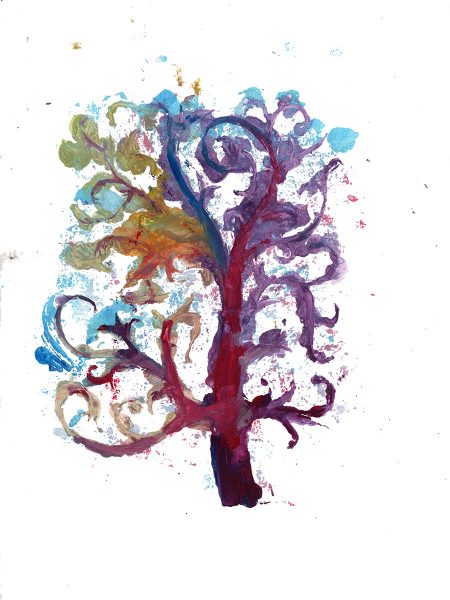
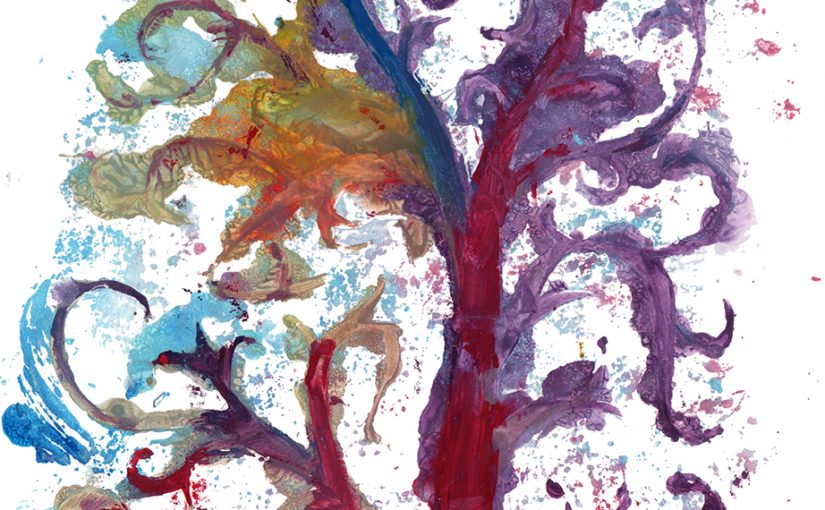
TREE
Gouache on paper (Stencil)
2018
30 x 40 cm
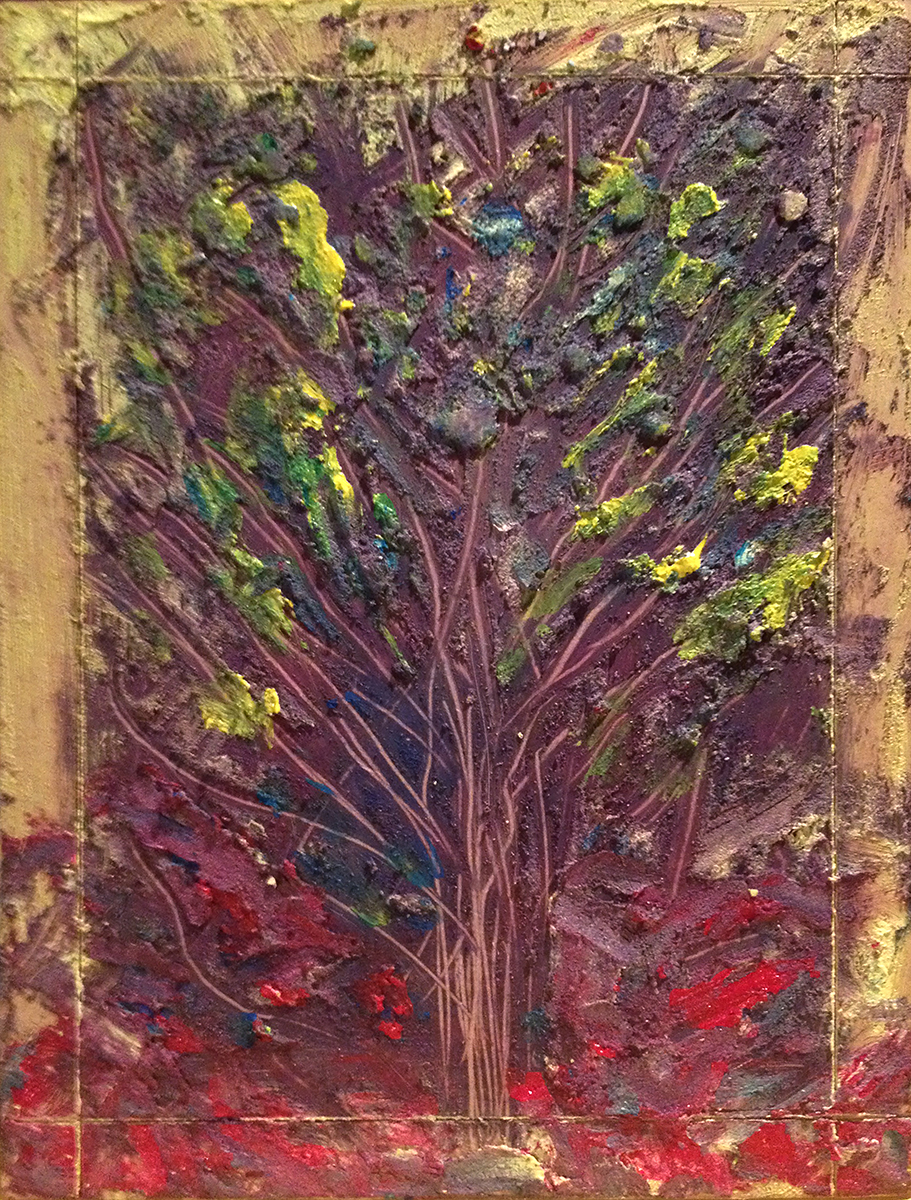
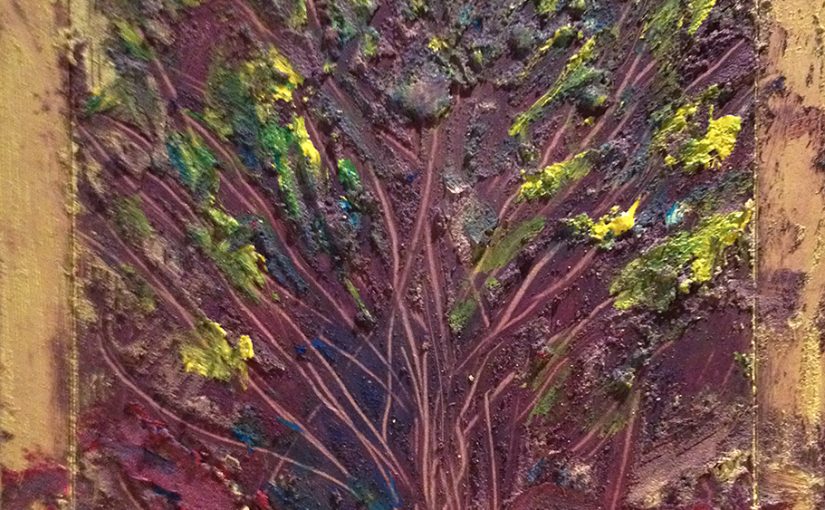
AFRICAN TREE
Techniques: Painting and mix of tempera and stucco
Support: wood fibre panel
Dimensions: 30 x 40 cm
2016

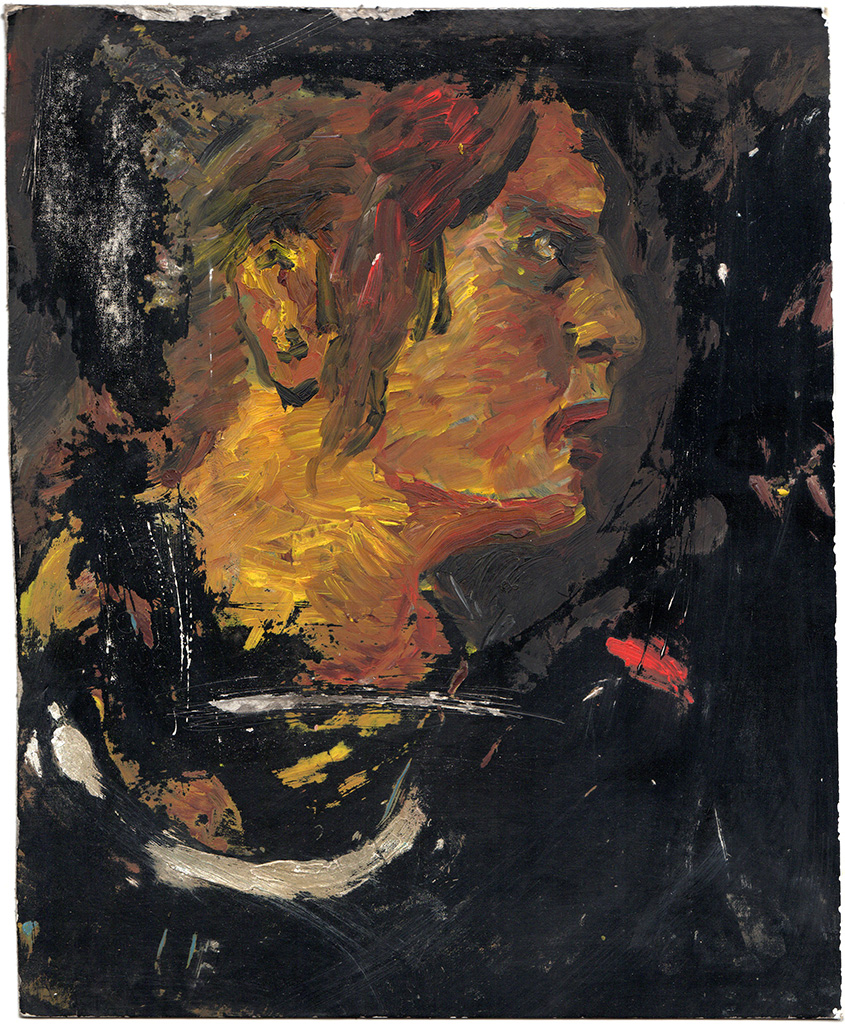
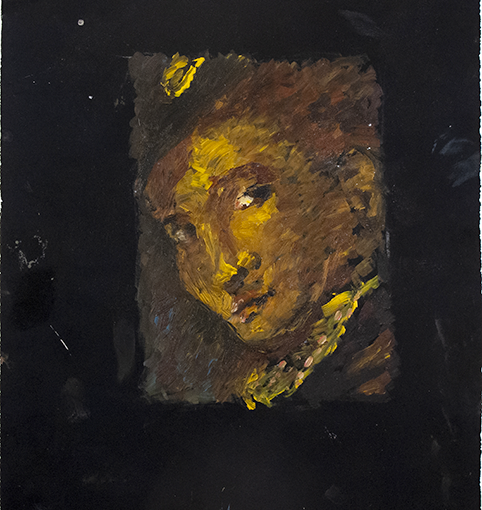
Diptych:”Absolute and Instantaneous”
(Judith is watching the young man that is watching me)
Oil on cardboard installed on two windows
Paintings: x cm each
2020