IMAGINATION
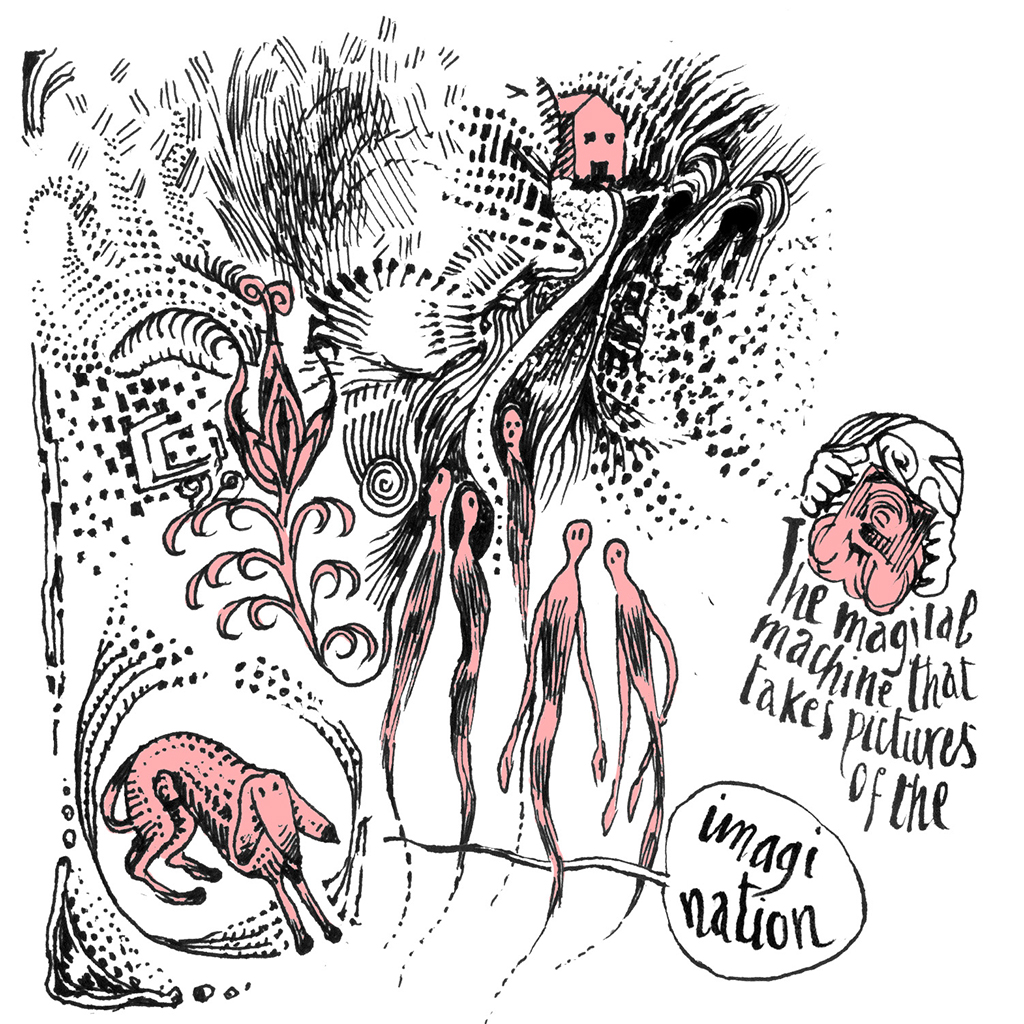
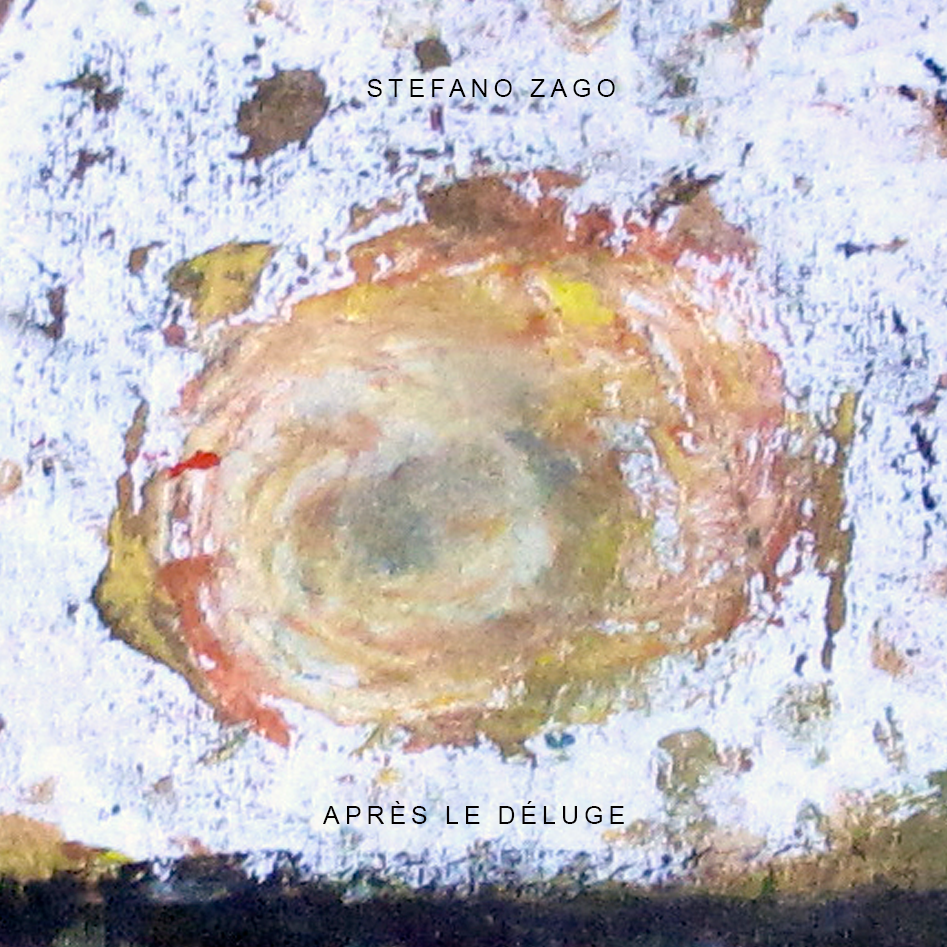
Drawing on paper
retouching and computer colour
1024 x 1024 pixels
2025
IMAGINATION Drawing on paper retouching and computer colour 1024 x 1024 pixels 2025
Double experiment: Start from a drawing made instinctively and give it a narrative form Evaluate which visual path is produced by identifying dots produced by a background colour.
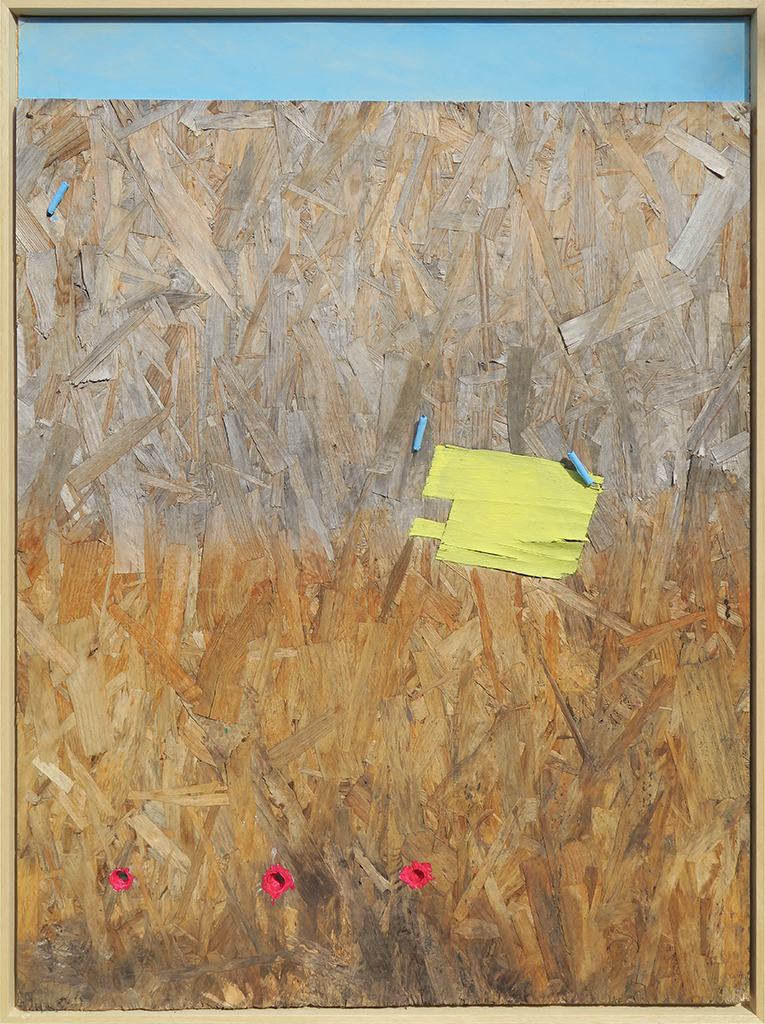
THE EUROPEAN SON
Wood, nails, plastic, cardboard, plaster, painting (gouache)
80 x 107 cm
2022
THE EUROPEAN SON Wood, nails, plastic, cardboard, plaster, painting (gouache) 80 x 107 cm 2022
You killed your European son You spit on those under twenty-one But now your blue car’s gone You better say so long Hey hey, bye bye bye (Lou Reed)
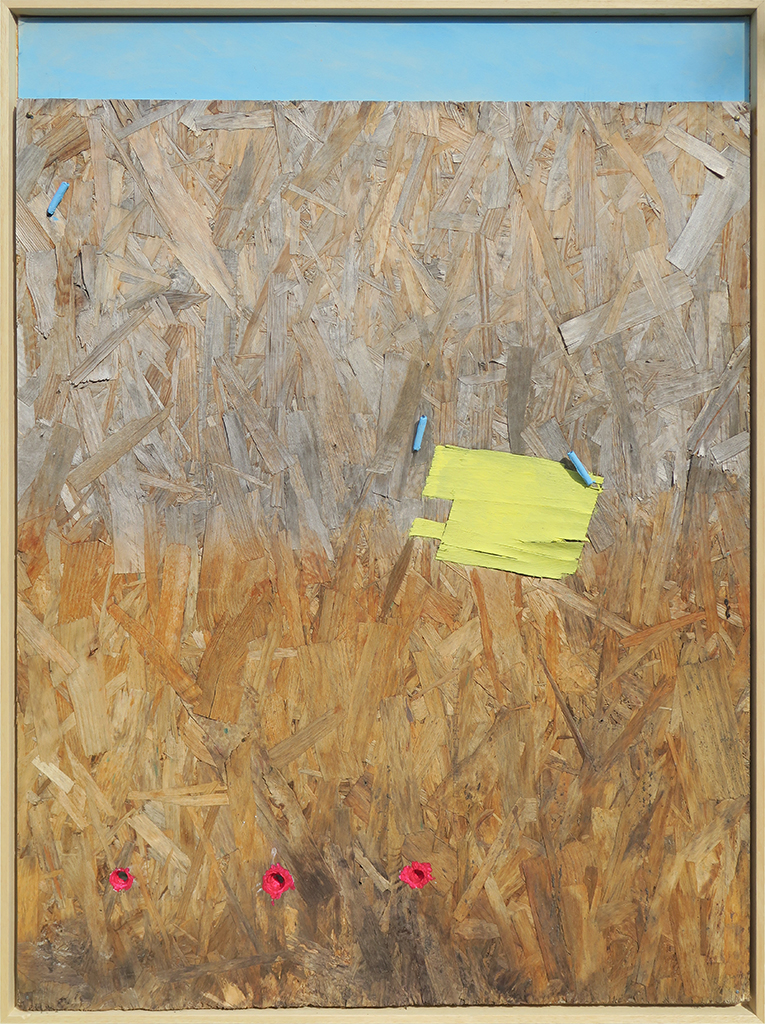
It is a wooden panel that you see, a found object that attracted the artist’s interest because of the reflections of natural colours that it gave off. The intervention is given only by the yellow stain, the sky-blue strip on cardboard, the three red dots on the already existing holes, the blue plastic cartridges on the nails, which also already existed, the choice of the frame, in terms of material and size.
The reference to the raw material is obvious. An original material that speaks for itself.
The minimal intervention dominated by pre-existing presences, and therefore by chance, is a fundamental reference for the artist.
The rudimentary, unfinished, imperfect, but unique, inescapable and definitive act. Disregard for conventions and style. The respectful dialogue with the material and the intrinsic and original form of the work.
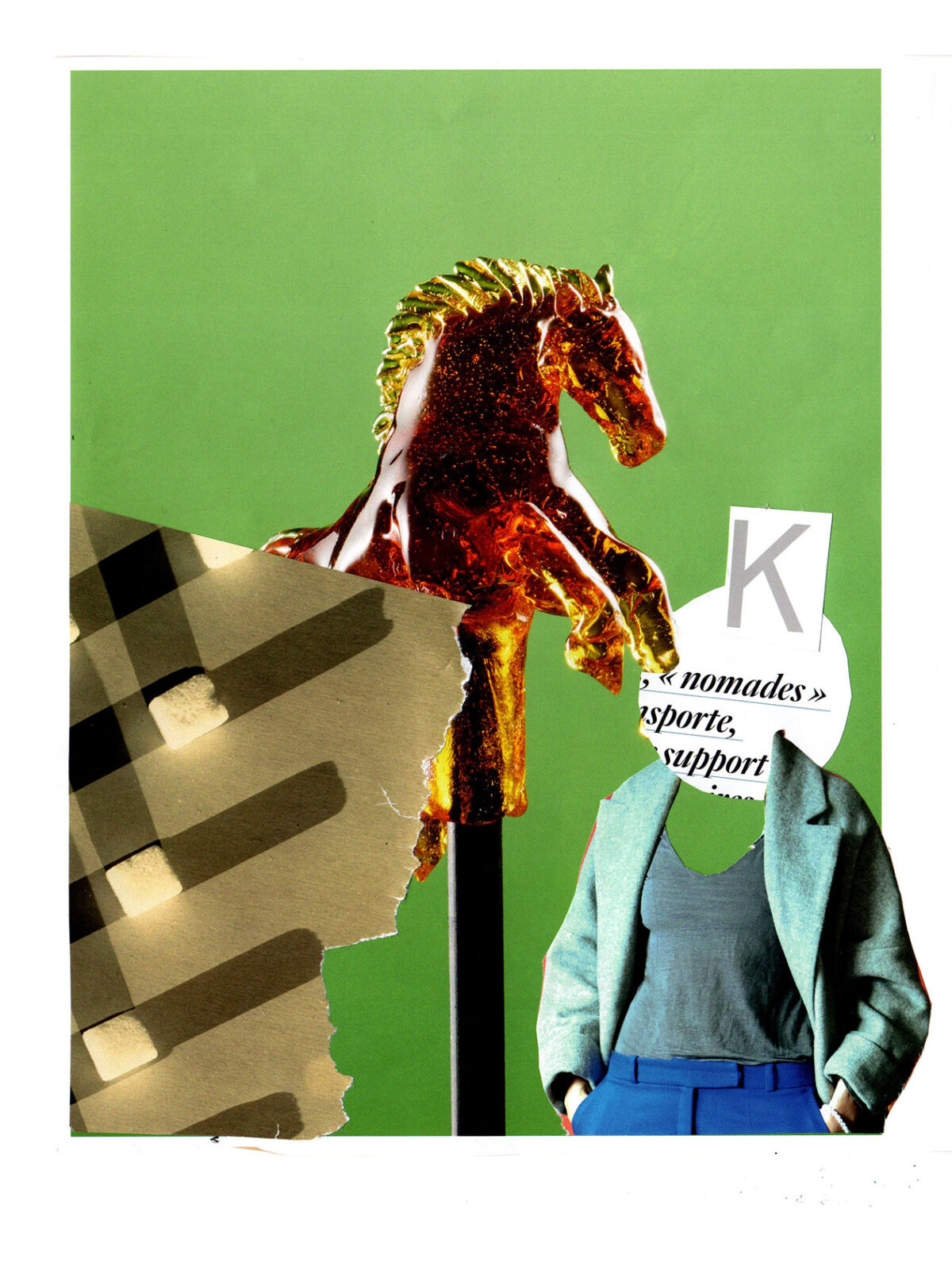
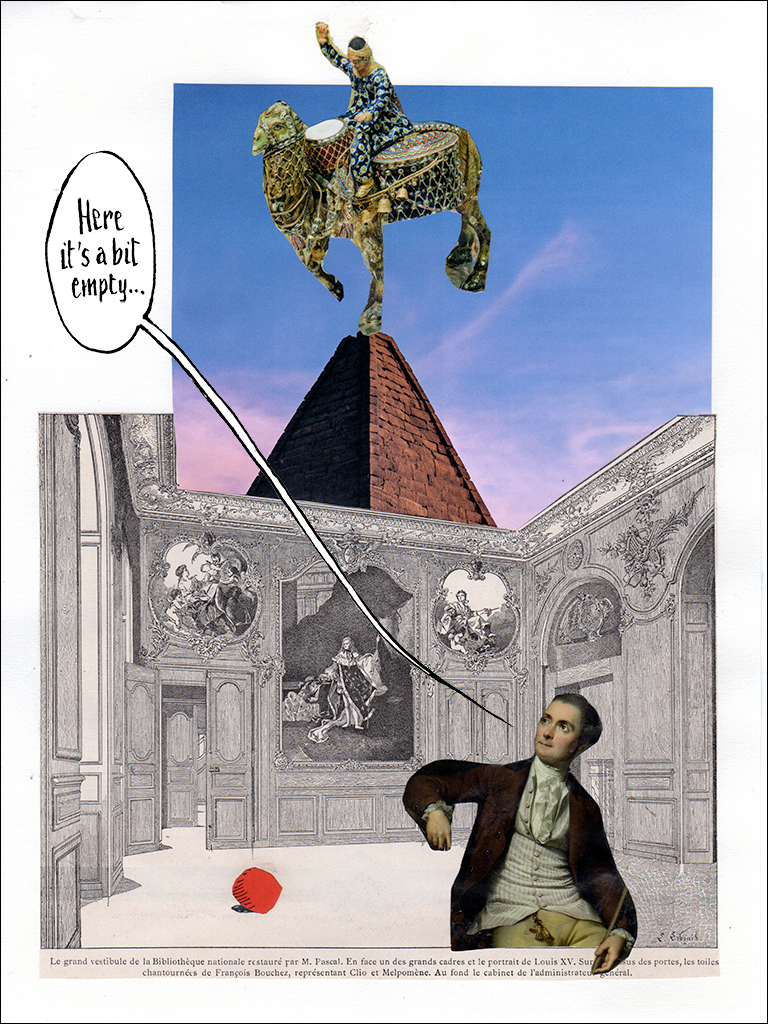
Collage
24 x 32 cm
Cartoon added on computer version
2025
Collage 24 x 32 cm Cartoon added on computer version 2025
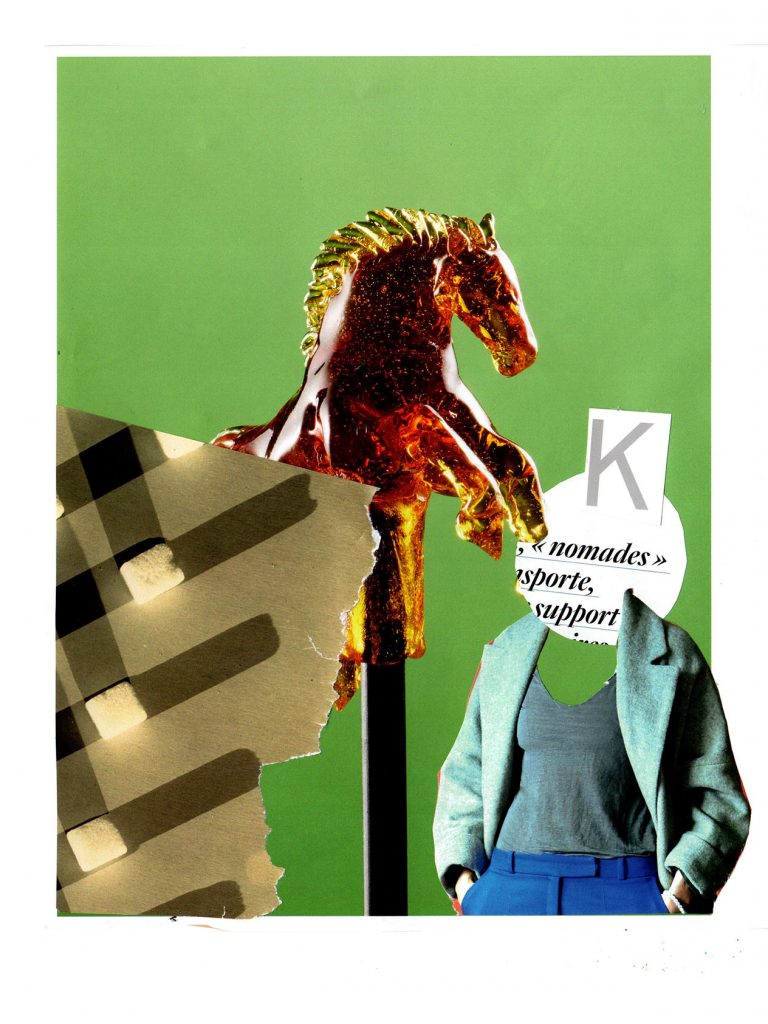
New experiments in composition and narrative made live and in participatory form during my drawing and art history workshops . We explored in a playful form how collage allows us, starting with images taken, cut out and torn at random, a free composition, moving the elements around until we have an optimal composition. There the overall image speaks to you, and produces a narrative.
Assemblage
wood and objects on cardboard
30 x 30 cm
2024
WAR Assemblage wood and objects on cardboard 30 x 30 cm 2024
Objects linked to the artist’s everyday life can take on new meanings when associated with each other. The thought of war, with the fears it produces (the dropping of a bomb, the symbolism of money that nullifies people’s humanity), becomes tolerable thanks to the formal research of the image and the artist’s slow and quiet work. The bomb becomes a pencil, the artist’s peaceful and innocent tool.
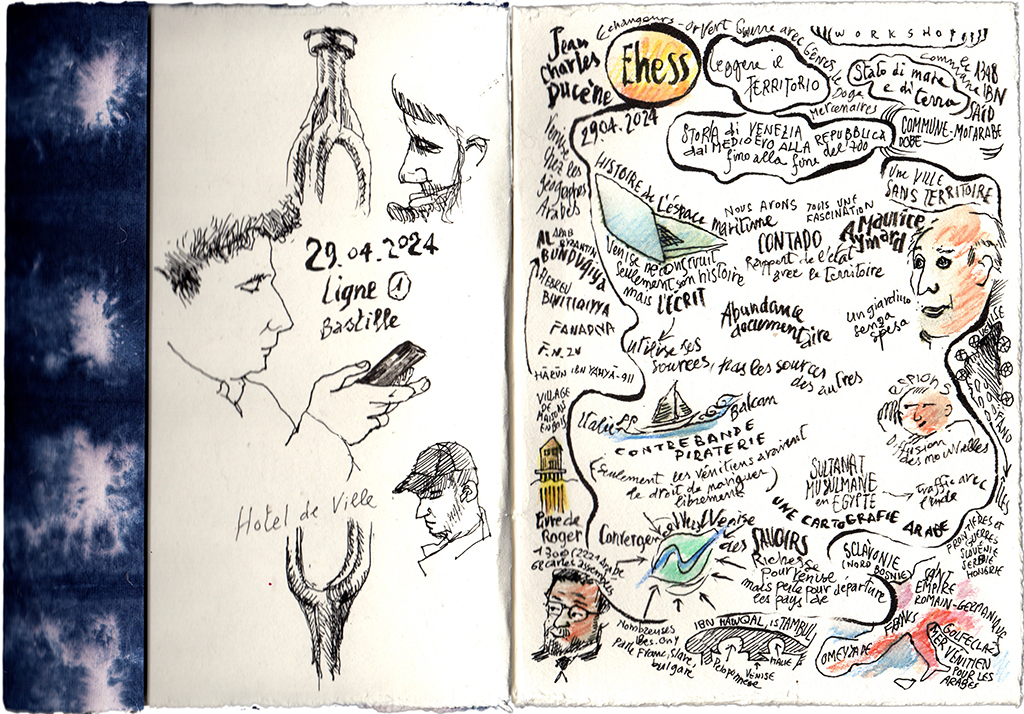
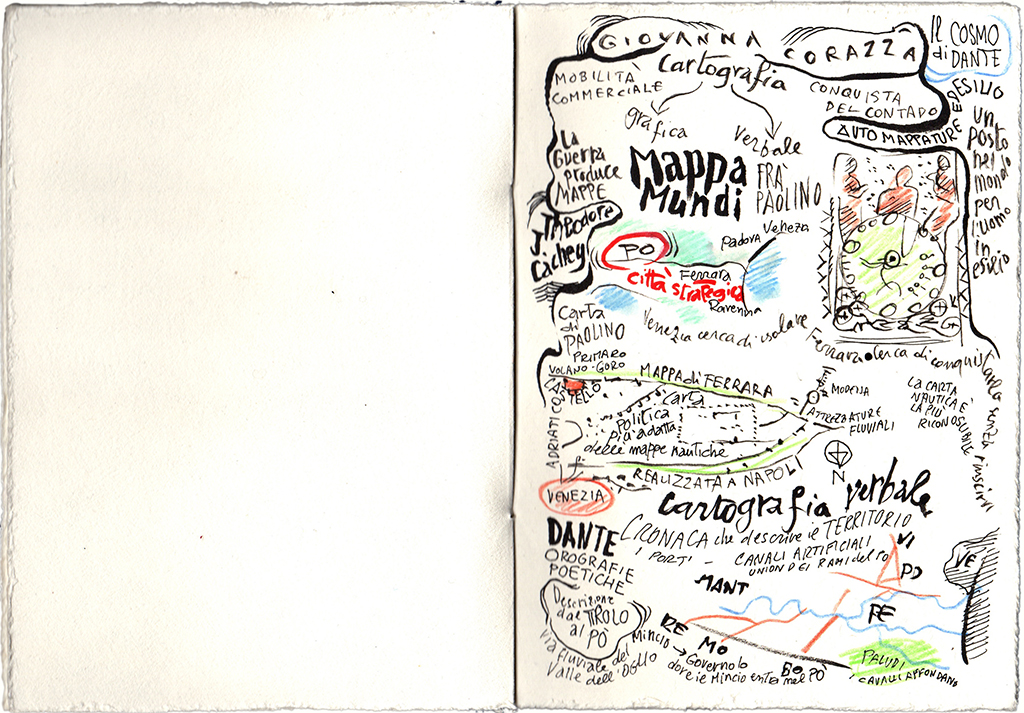
Drawings on watercolor paper Sketchbook Pen, ink, pencils, watercolor 30 x 21 cm 04.2024
Workshop at the EHESS – École des Hautes Études en Sciences Sociales / Centre de Recherches Historiques – Paris
Organisé par Christophe Austruy (EHESS-CNRS, Centre de Recherches Historiques) Giovanna Corazza (Università Ca’ Foscari – Venezia / University of Notre Dame, MSCA Fellow)
Maurice Aymard (EHESS/MSH) : Introduction Jean-Charles Ducène : Venise chez les géographes arabes Nathalie Bouloux : «Il primato di Venezia» dans les études géographiques aux XIVe et XVe siècles Christophe Austruy L’Arsenale Vecchio, l’Arsenale Novo e la Tana nella pianta di Fra’ Paolino. Ipotesi sull’Arsenale di Venezia all’inizio del XIV secolo
Anna Pegoretti A nord di Venezia: Dante cartografo e le Alpi centro-orientali
Theodore J. Cachey Jr. Il cosmo di Dante: automappature ed esilio
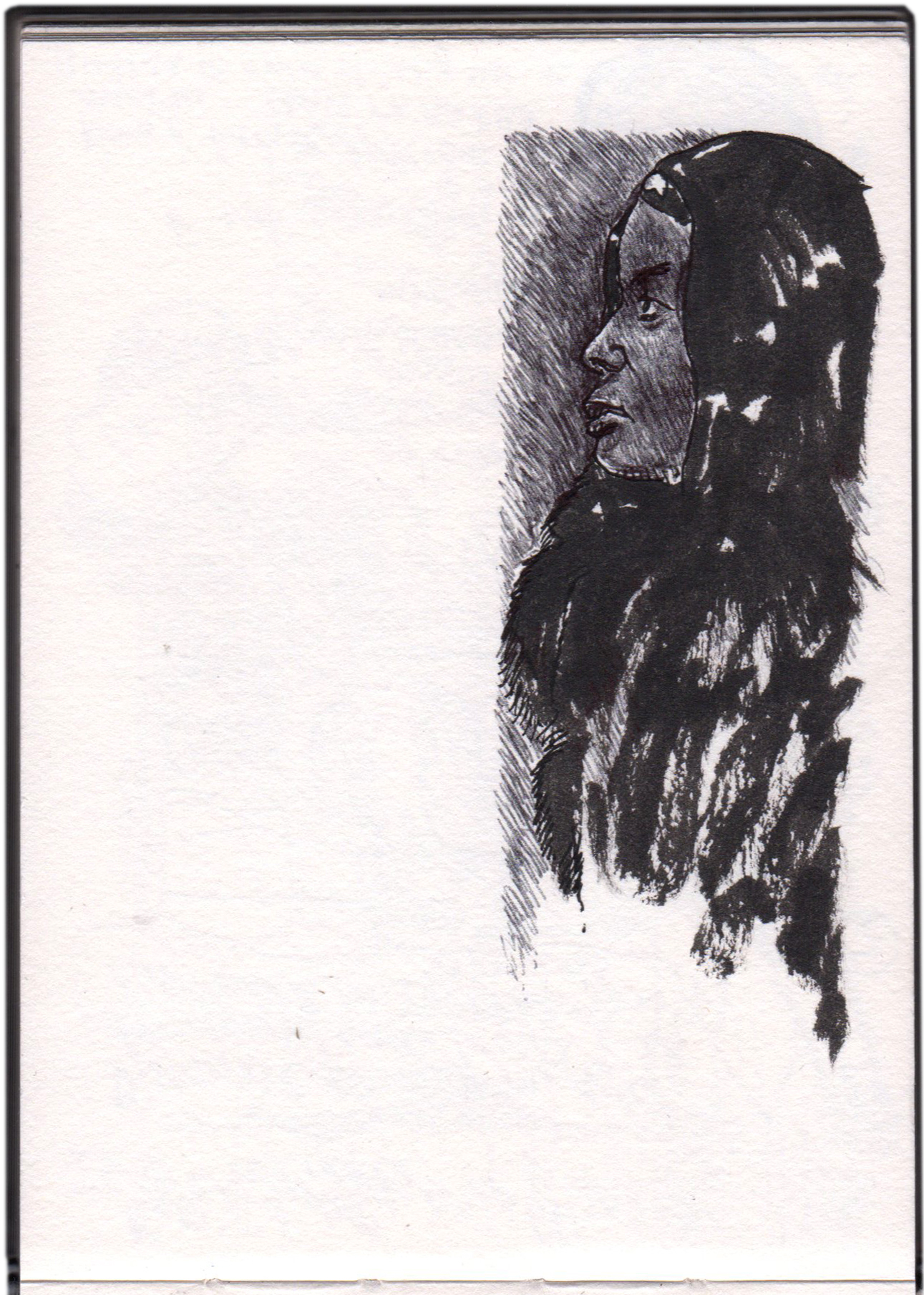
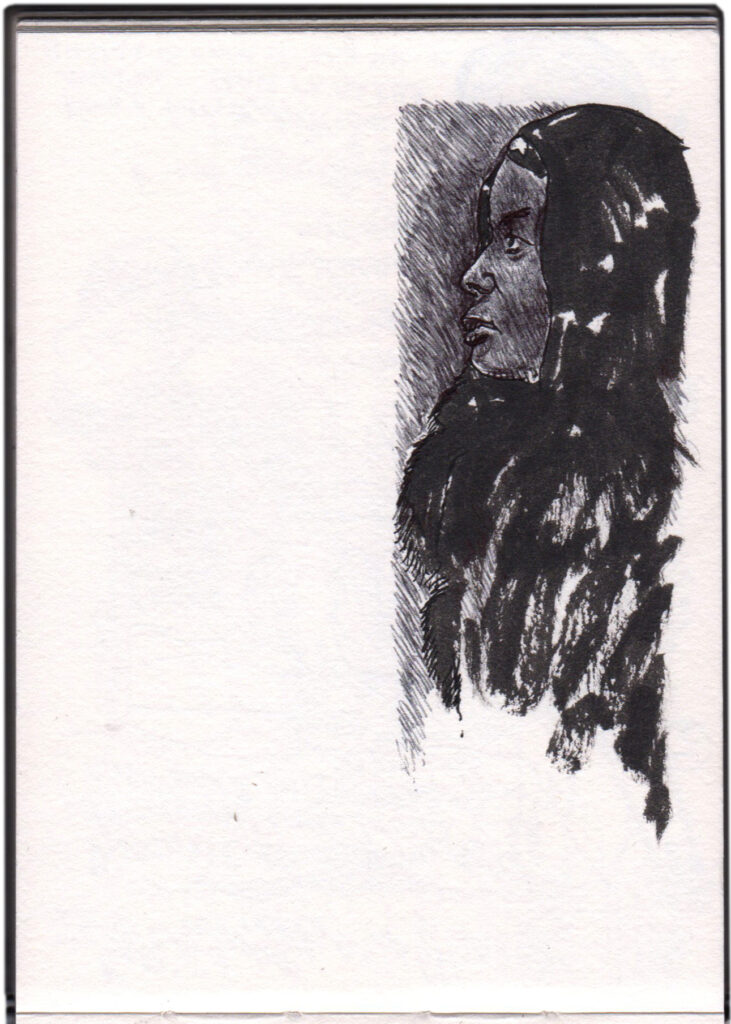
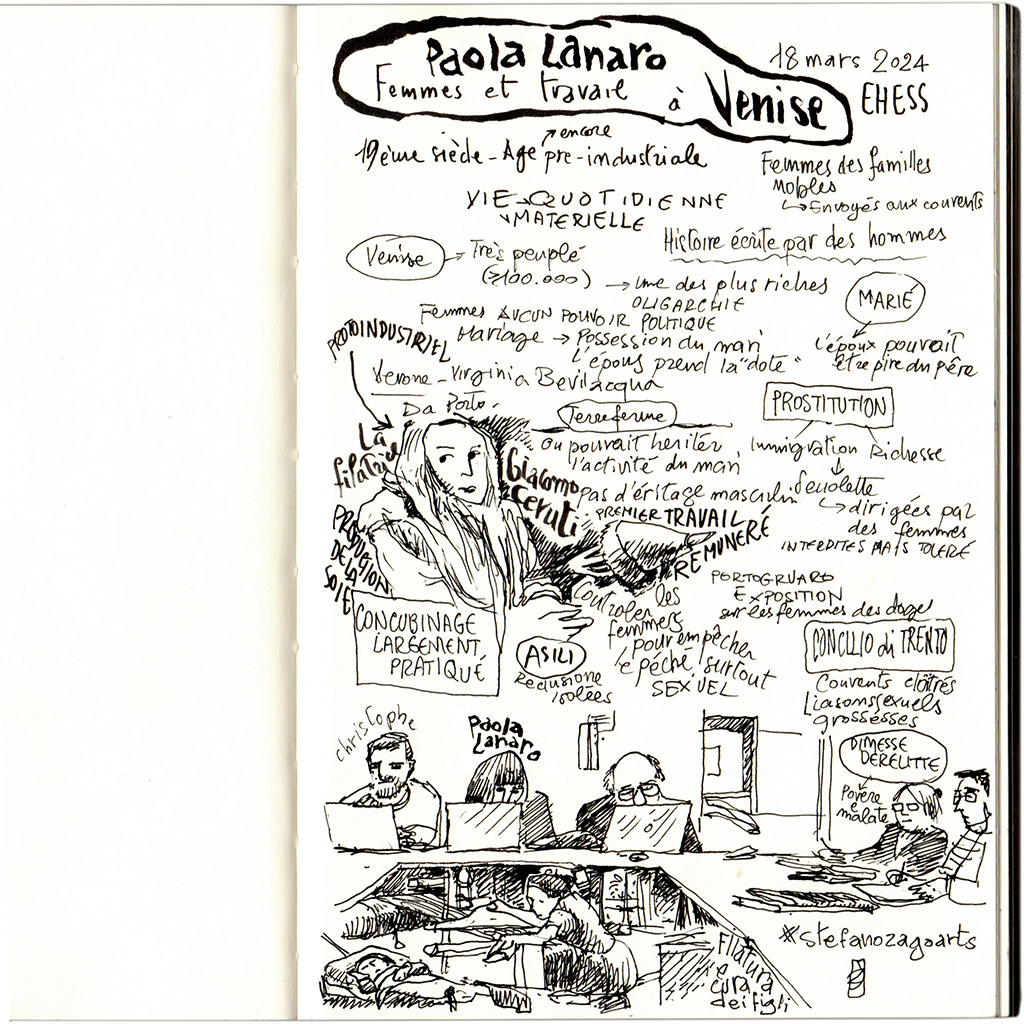
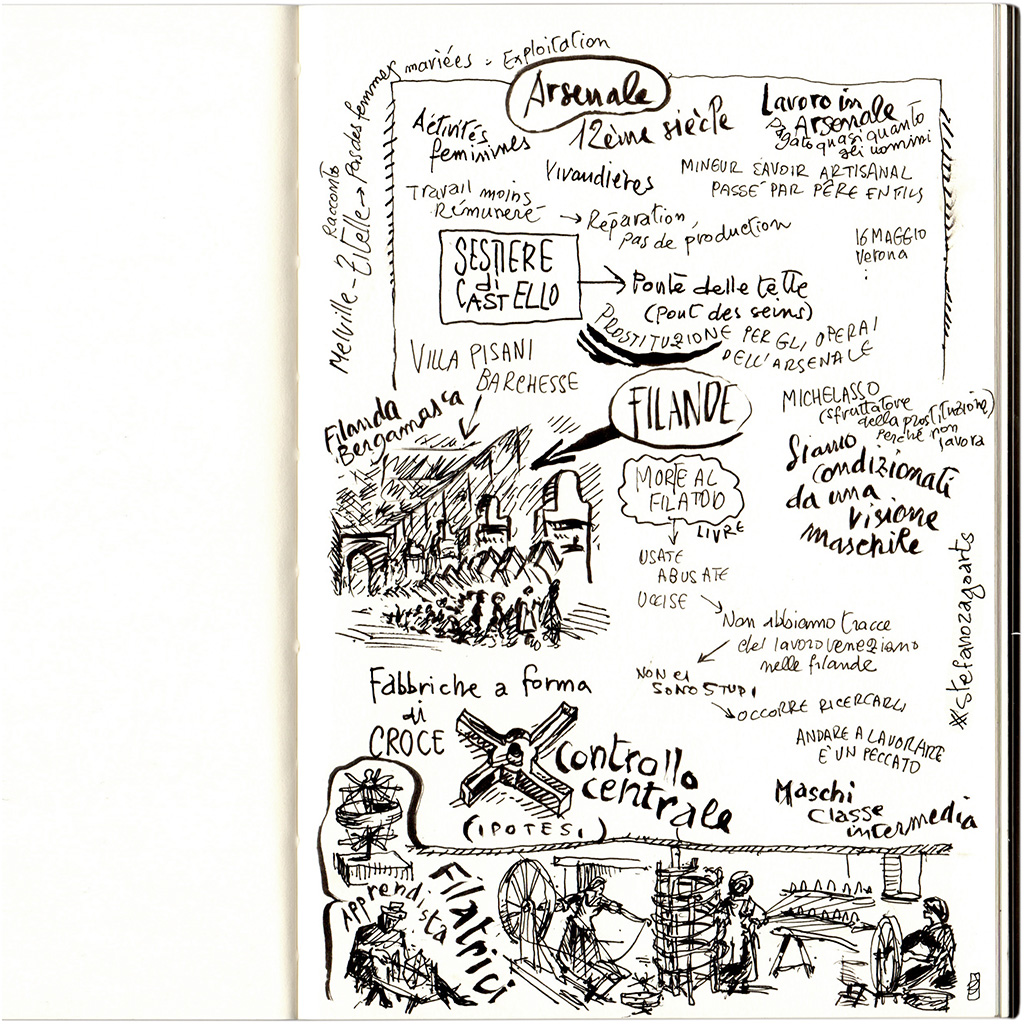
As this is the week of the fight against discrimination, I would like to share with you two pages of notes I collected yesterday on my notebook during a lecture at THE EHESS: École des hautes études en sciences sociales In Paris, on the history of women’s work in Venice given by Professor Paola Lanaro of the University of Cà Foscari, Venice. In particular, I point out that dwelling on images by drawing in a simple and spontaneous way while listening to a speaker at the same time can help us discover meanings we might not have noticed otherwise. I also invite us to experiment with various calligraphies in note-taking by giving more or less emphasis to words that we find more or less important.
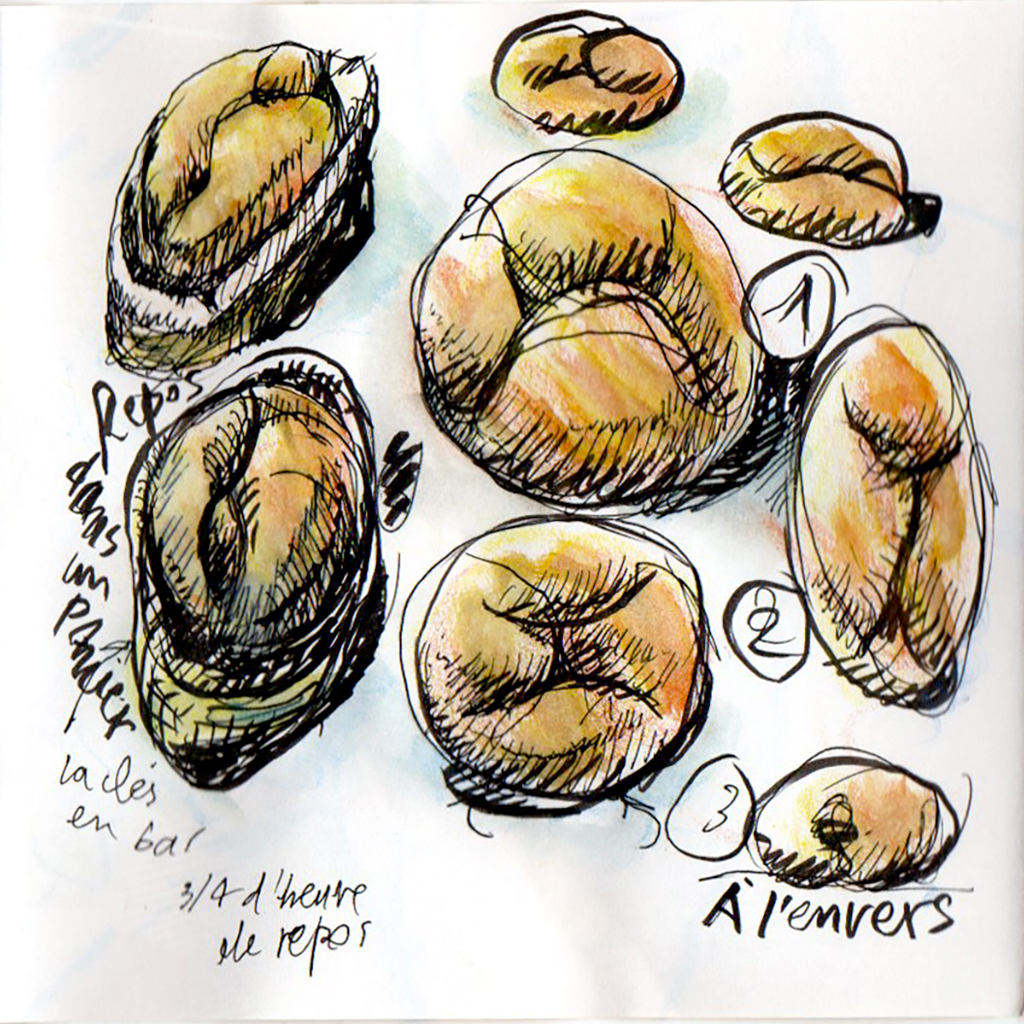
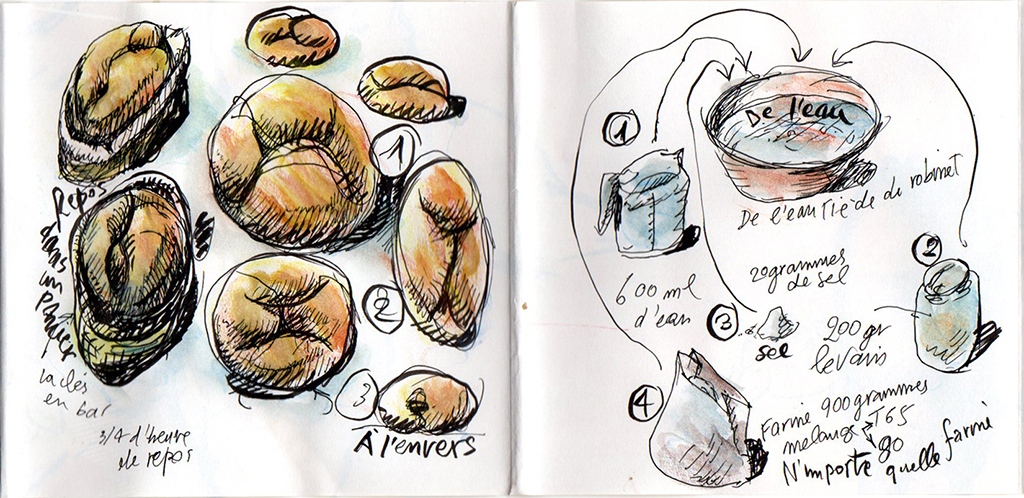
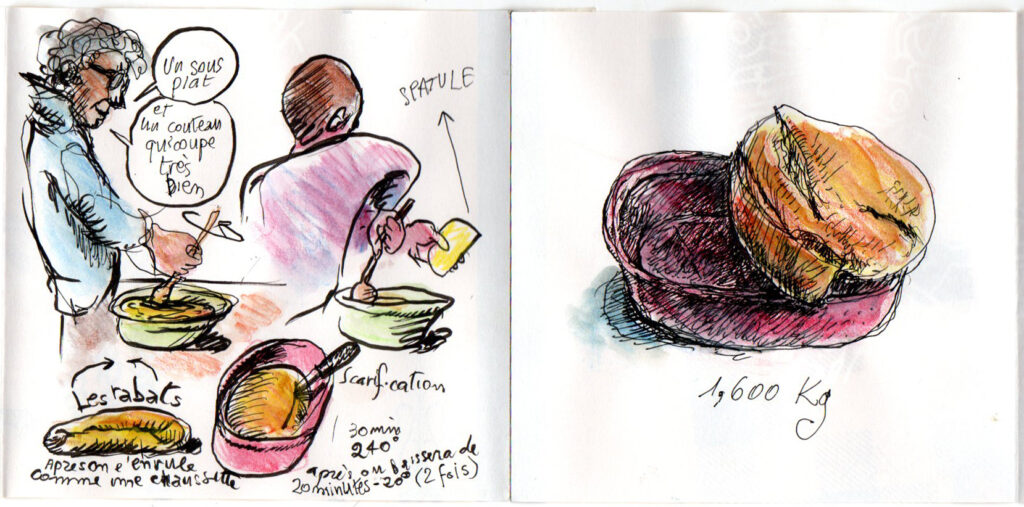
Pen and watercolor on paper
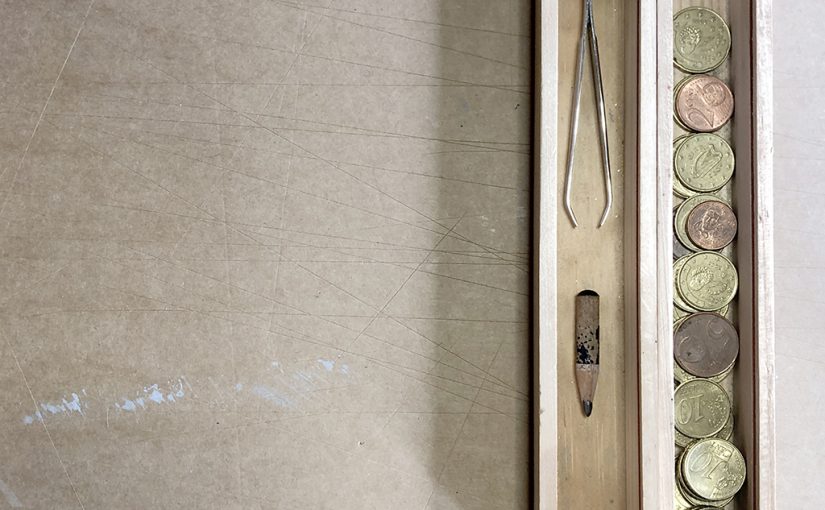
Infinite Leporello
4 drawings
14 x 14 cm each
2025
Pen and watercolor on paper Infinite Leporello 4 drawings 14 x 14 cm each 2025
Gérer le consentement aux cookies
Pour offrir les meilleures expériences, nous utilisons des technologies telles que les cookies pour stocker et/ou accéder aux informations des appareils. Le fait de consentir à ces technologies nous permettra de traiter des données telles que le comportement de navigation ou les ID uniques sur ce site. Le fait de ne pas consentir ou de retirer son consentement peut avoir un effet négatif sur certaines caractéristiques et fonctions.
Fonctionnel
Always active
Le stockage ou l’accès technique est strictement nécessaire dans la finalité d’intérêt légitime de permettre l’utilisation d’un service spécifique explicitement demandé par l’abonné ou l’internaute, ou dans le seul but d’effectuer la transmission d’une communication sur un réseau de communications électroniques.
Préférences
Le stockage ou l’accès technique est nécessaire dans la finalité d’intérêt légitime de stocker des préférences qui ne sont pas demandées par l’abonné ou la personne utilisant le service.
Statistiques
Le stockage ou l’accès technique qui est utilisé exclusivement à des fins statistiques.Le stockage ou l’accès technique qui est utilisé exclusivement dans des finalités statistiques anonymes. En l’absence d’une assignation à comparaître, d’une conformité volontaire de la part de votre fournisseur d’accès à internet ou d’enregistrements supplémentaires provenant d’une tierce partie, les informations stockées ou extraites à cette seule fin ne peuvent généralement pas être utilisées pour vous identifier.
Marketing
Le stockage ou l’accès technique est nécessaire pour créer des profils d’internautes afin d’envoyer des publicités, ou pour suivre l’internaute sur un site web ou sur plusieurs sites web ayant des finalités marketing similaires.